Introduction
Dealing with an uneven yard can make fence building feel like a challenge waiting to happen. But a skilled fence installation contractor has ways to manage slopes and dips without sacrificing strength or appearance. Not every yard in places like Joplin comes with flat, open ground. In fact, slightly sloped or uneven lots are more common than most people think.
Instead of skipping the idea of a fence because of bumps or slopes, it helps to understand how contractors work with the land, not against it. A solid, straight-looking fence is possible, even if the ground underneath moves up or down from one side to the other. Let's take a closer look at how that's done.
Evaluating the Yard Before Work Begins
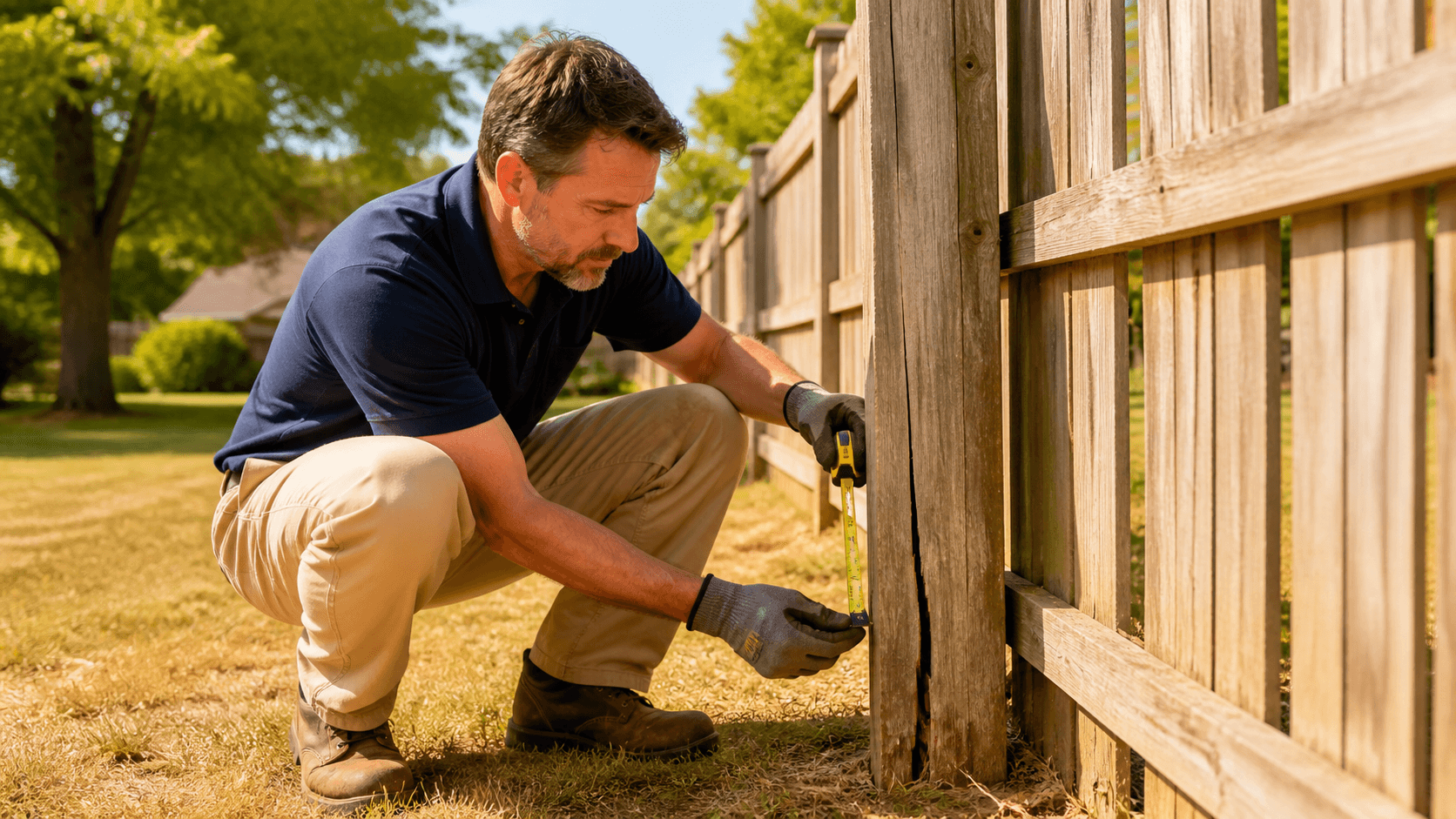
Every strong fence starts with a smart plan. Before a line is drawn or a post is set, we take time to walk the yard and learn where the ground rises and falls. This early look gives us helpful details that shape every part of the build.
- Elevation changes matter, even if they're slight. We measure how the ground shifts from one corner to the next.
- Drainage is also a big part of the check. Where water flows or collects affects where the fence should, and shouldn't, go.
- Soil type and yard edges give clues too. Sandy soil, tight corners, or tree roots can all shape how and where we dig.
This first step helps avoid surprises later. With a clear idea of the terrain, we can set up a fence layout that matches the space instead of fighting it. Not only does this careful start prevent frustration during the build, but it also helps ensure a smooth process from planning to the finishing touches.
Choosing the Right Fence Option for the Slope
Once we understand the layout, the next step is choosing a fence style that works well with how the yard is shaped. Some slopes need smooth lines that follow the ground closely, while others look better with panels that step down in sections.
- A fence that "racks" or follows the curve of the land is common on gentle slopes. It keeps a steady line across changes in height.
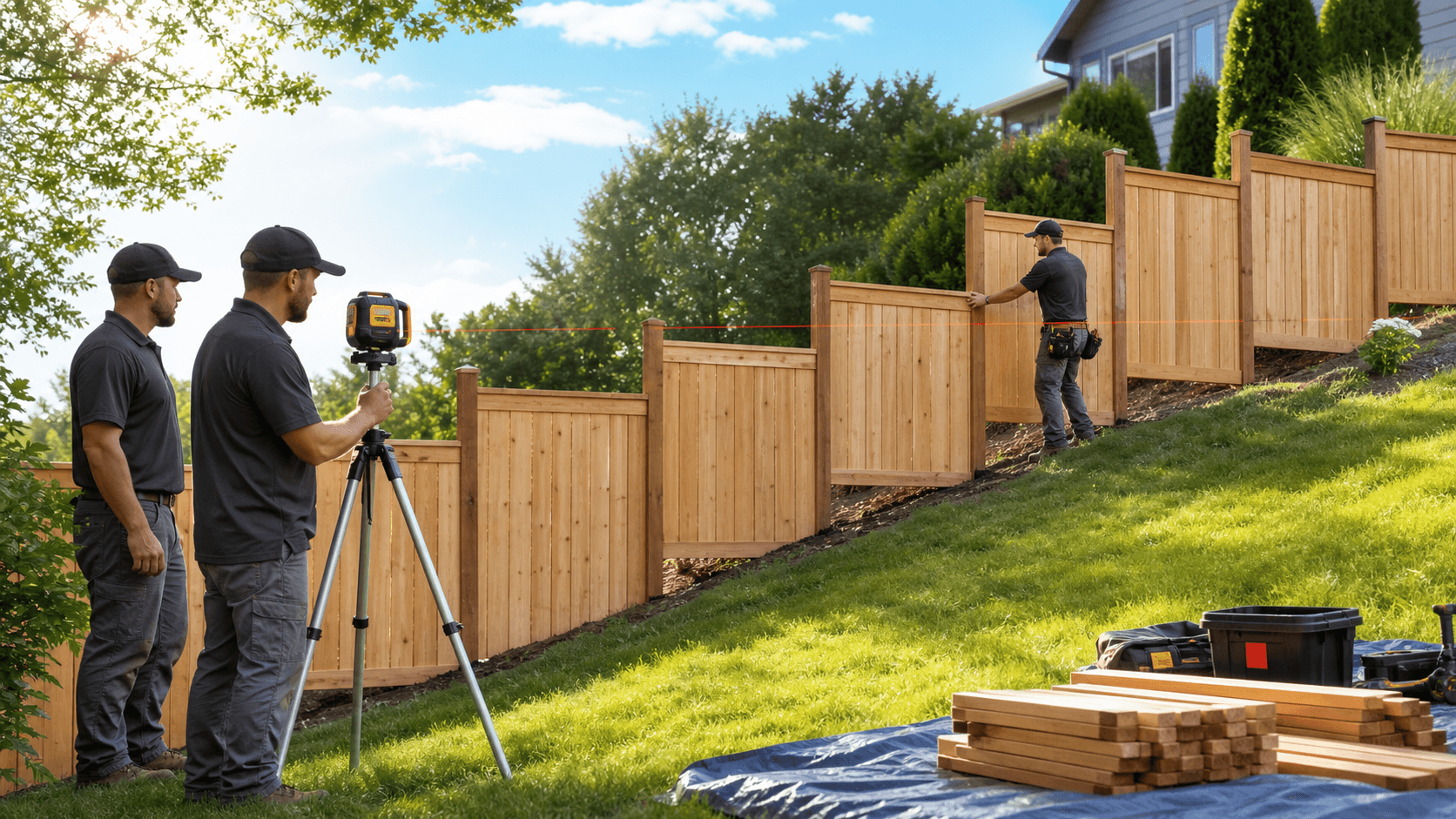
- Stepped fencing works better on steeper inclines. Each panel shifts down slightly, like steps on a staircase, allowing the fence to stay upright even on tricky terrain.
- Taller fences and certain materials hold up better over time in uneven areas. Wood and vinyl, for example, offer different options for flexibility and finish.
We match the shape of the land with the right approach so the finished fence feels like it fits, instead of sticking out awkwardly. This thoughtful decision at the start helps boost both the look and performance of the finished fence, offering peace of mind that your fence won't just look good on day one but for years to come.
Bean Exterior Solutions installs a variety of high-quality fencing materials for both residential and commercial customers. Our offerings include wood, vinyl, and composite options, each customizable to suit the land and design style you want for your property.
Adjusting Fence Posts and Panels for a Strong Fit
On sloped ground, each post needs careful placement. The depth of a post, how far apart they go, and how panels attach between them can all shift depending on where they're located.
- Fence posts often need to be placed deeper in hilly areas to give extra support.
- We may space posts a little closer together or choose panels that vary slightly in width, making room for the changes in grade.
- Tools like string lines and levels are key for keeping everything tight, square, and inline, even as the ground moves underneath.
Without these steps, a fence on uneven ground can quickly sag or lean. Our goal is always stability now and several seasons down the line. Good placement is the backbone of long-term fence strength, so we take extra care from the ground up.
Avoiding Drainage and Erosion Problems
Hilly or bumpy land tends to collect water in certain places, especially after heavy rain. Fence lines built without drainage in mind can end up sitting in puddles or getting pushed by soil as it shifts.
- We look closely at how water moves through a yard to avoid future issues.
- If the slope pushes water toward the fence line, we may adjust the layout slightly to let rain move past without pooling at the posts.
- In some situations, we'll bring in gravel or drainage channels, giving that water a place to go without washing soil away from key support points.
Fence damage from poor drainage doesn't show up right away, but it always causes problems later. Building around it from the beginning helps skip costly fixes down the road. By carefully planning for water flow, we make sure your fence will be ready for whatever weather comes its way, extending its life and keeping it looking sharp.
We handle every step of the planning process, including working around obstacles and assessing drainage to make sure your fence installation is set up for long-term success in all types of Joplin weather.
A Smooth Finish That Looks Right From Every Angle
Even though the ground may not be level, the fence should feel like it is. Part of our work is making sure the fence looks right from wherever someone stands, whether that's pulling into the driveway or sitting on the back porch.
- A clean edge along the bottom of a fence brings everything together. We may add gravel or a trim piece in low spots so nothing looks out of place.
- Matching the spacing of stepped panels helps create a rhythm that looks intentional from top to bottom.
- From the street, the fence should flow. People may not notice changes in the land, but they will see if a fence looks uneven or jagged.
Getting the visual line right makes even a tricky yard come together in a way that feels natural. We focus on the details so the finished result looks smooth and balanced, no matter the land underneath.
Strong Fences Start With the Right Plan
Fencing a yard that isn't flat doesn't have to be a headache. It just takes a thoughtful approach, some early prep, and a willingness to adjust the plan based on what the ground tells us. When we build fences in Joplin and see those ups and downs across a yard, we take all of that into account before the first hole is dug.
The process might be a little more involved than it would be on level ground, but the results speak for themselves. When the posts hold firm, the panels sit smooth, and the lines look intentional, that's when you know it was done right. A strong fence isn't just about the materials, it's about how it blends into the space it's built to protect.
Uneven ground in Joplin shouldn't mean you have to live with a fence that doesn't look right. We specialize in tackling tricky yards and building fences that last, no matter the landscape. Choosing a trusted fence installation contractor ensures your project comes together perfectly, even with slopes or drainage challenges. At Bean Exterior Solutions, we take the time to plan every detail so your fence looks sharp and stands strong. Contact us today and let's design a fence that truly fits your yard.