Summer storms can move in fast and hit hard, especially here in Northern Virginia. Your roof is the main shield between those storms and the rest of your home. When high winds, heavy rain, and sudden heat waves hit, they find every crack, lifted shingle, or weak spot.
That's why timing matters. Getting a roof inspection before storm season kicks into full gear can mean the difference between small maintenance and big repairs. Summer weather can magnify even the tiniest damage left over from spring. Knowing your roof is ready brings real peace of mind when the clouds roll in.
Why Summer Storms Test Your Roof
Summer puts roofs through a lot. Some of the strain is obvious, but much of it builds slowly.
- Heat causes roofing materials to expand. Later, when temperatures drop at night, they shrink again. This back-and-forth can weaken seals and cause materials to shift.
- Storm winds often lift shingles unexpectedly, especially if they've aged or been hit by debris earlier in the year.
- Heavy rain pushes water into small cracks or valleys. If flashings are worn or gutters are blocked, water may not drain properly.
- Even light damage from spring can turn into far more serious problems with each new downpour.
We see issues worsen quickly when July heat combines with that quick switch between calm and stormy skies. If a roof has held together all spring, it doesn't always mean it'll make it through summer unchanged. Often, those hidden problems only surface when the weather turns severe and pressure is suddenly applied to every potential weak spot.
The unpredictable cycle of summertime in Northern Virginia, with heat building during the day and strong storms forming in the evening, adds to the challenges for your roof. Humid conditions don't help, either, because moisture that lingers only contributes to the slow breakdown of materials, especially when they are already strained from thermal movement.
Timing Your Roof Inspection Just Right
We've found that mid to late July is the best time to schedule a checkup. That window lands just before the height of summer storms and long enough after spring for wear and tear to show itself.
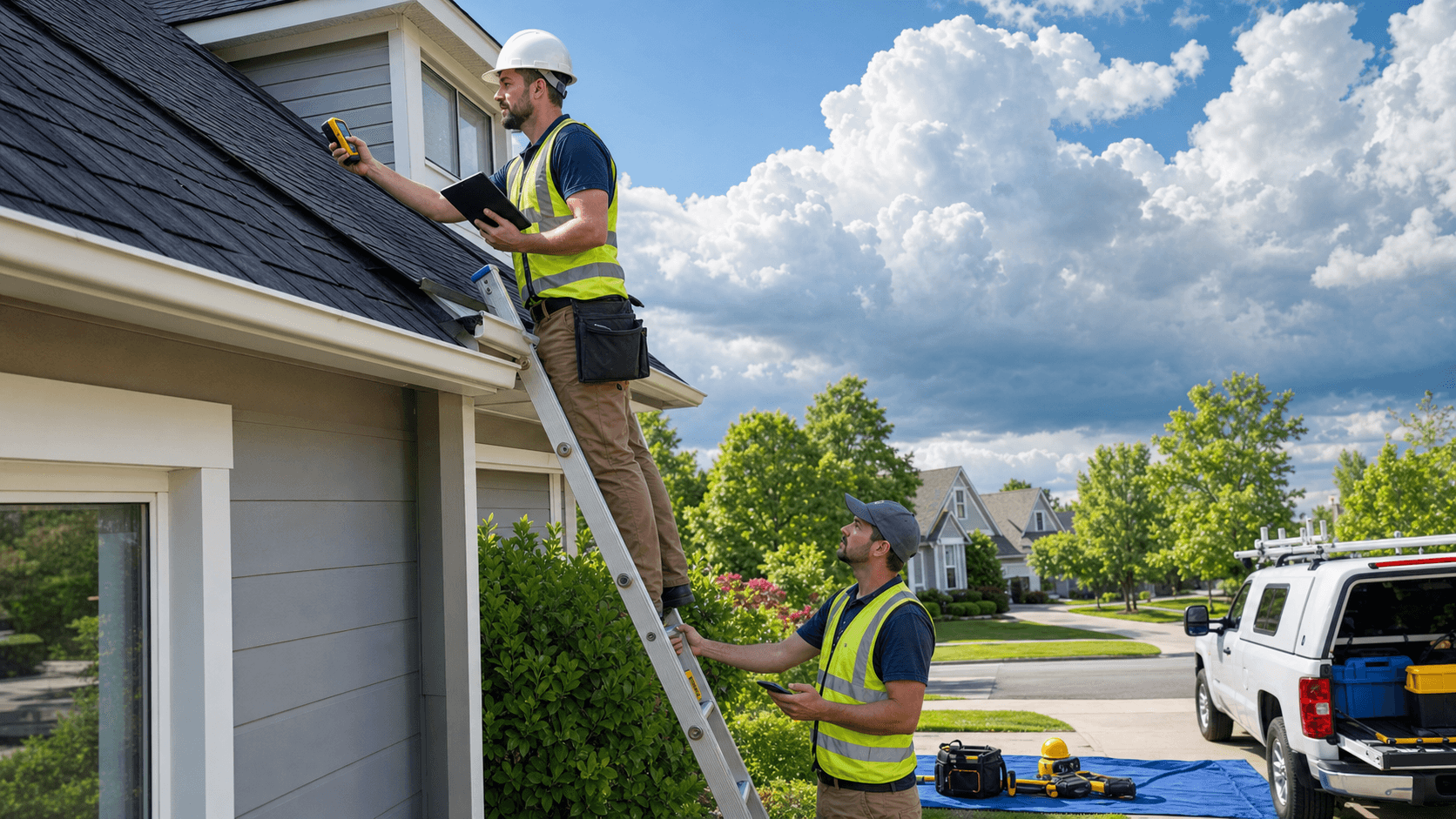
During a summer roof inspection, we're looking to spot anything that's likely to fail once the storms arrive. That includes things like curled shingles, sagging flashing near chimneys, or signs of trouble around skylights and valleys. Even subtle signs are worth attention now, before they lead to leaks or interior damage later.
Taking this preventive step means that potential trouble areas are caught prior to being challenged by heavy rain or sudden gusts of wind. It is far simpler, and often less expensive, to address these issues promptly rather than waiting for them to develop into larger repairs. Fixing these problems ahead of time means fewer emergency visits later. A little planning now avoids the stress of scrambling to tarp a roof during a thunderstorm. Summer inspections give homeowners a chance to make smart decisions instead of panicked ones.
Also, by assessing shingles, flashing, gutters, and attic conditions while the weather is still relatively calm, you're giving yourself the best protection possible before the more intense weather arrives. Working proactively allows for scheduling at a convenient time, without the pressure of incoming storms or rushing through necessary work.
What Roofers Look for in a Summer Checkup
Most roof problems aren't visible from the ground. During a summer inspection, we check everything that high summer weather is about to test.
- Missing or damaged shingles are common, especially after a loud spring or ongoing UV exposure.
- Cracked or loose flashing around vents and edge points can let water inside even without obvious holes.
- Clogged or sagging gutters can hold rainwater against the roof or fascia, leading to rot.
- Signs of moisture inside the attic are another big red flag. We look for damp insulation, dark patches on wood, or mold growth.
- We also check attic airflow. Poor ventilation traps heat under the roof, drying out shingles and creating condensation. That combo wears things down faster than most people expect.
Walking through these checks gives us a full picture of what's going on, above and below the surface. Sometimes the signs are small, like a patch of missing granules or an unexpected soft spot along a ridge. Over time, even these minor issues can become much larger problems if they aren't caught in time.
Our inspections also look for less obvious trouble, such as nail pops, small separations in flashing, or areas where sealant has worn away. By being thorough, we help homeowners avoid minor issues becoming major ones through a single summer storm. Bean Exterior Solutions conducts detailed roof inspections and provides maintenance and repair services for both residential and commercial roofs. Our expert team includes specialists in identifying and fixing damage unique to the summer weather in Joplin and Northern Virginia. With our experience, you receive clear recommendations and top-quality work, ensuring your roof is ready for the worst storms.
Living in Northern Virginia? Here's What to Expect
Roofs here face a tough mix in summer. We get high heat, spiking humidity, and storms that go from quiet to loud in a matter of minutes. That combination hits older roofs especially hard.
Most homes in Northern Virginia use asphalt shingles, and while sturdy, they age differently depending on sun exposure, nearby trees, and installation style. In this region, wear doesn't always look dramatic. Granule loss, weak edges, or shingles lifting even slightly can be early signs of a bigger issue.
Because we're local, we know what problems tend to show up in this climate. Whether the roof is 10 years old or 25, small shifts often hold clues. Homeowners don't always see those signs from a lawn or driveway, but we've worked with enough homes around the area to recognize when age or weather has started to take a toll.
Other factors unique to Northern Virginia play into roofing concerns as well. The density of trees and seasonal pollen can clog gutters more quickly, so routine clearing is important before inspections. Additionally, sudden temperature changes are common, which may cause additional stress on older shingles or flashing seams. All of this reinforces the need for a careful checkup and thorough roof assessment as summer weather intensifies.
Strong Starts Lead to Safer Summers
Storms will come, and when they do, roofs get tested fast. One storm can push an already strained area past its limit. That's why inspecting now, before things turn rough, can be the smartest thing you do this season.
A roof that's checked and ready holds up better through wind, heat, and rain. It keeps your home cooler and your structure dry. That's the simple payoff of planning early. A quick look at the right time can make the rest of your summer feel a whole lot easier.
When you know your roof has been checked by a professional, you get more than just peace of mind; you get real confidence that your home is ready for whatever the season brings. Summer is a busy and unpredictable time in Joplin and Northern Virginia, so giving your roof every possible advantage is a step that pays off in safety, comfort, and long-term value for your property.
At Bean Exterior Solutions, we know how unpredictable a Joplin summer can be, especially when storms move in quickly. Getting ahead of the season with a timely roof inspection gives you the chance to spot issues early before wind or rain causes real problems. We've worked with a wide range of homes in the area and understand what summer weather often leaves behind. Whether you've noticed lifted shingles, clogged gutters, or just want peace of mind, we're here to help, reach out to schedule your inspection today.