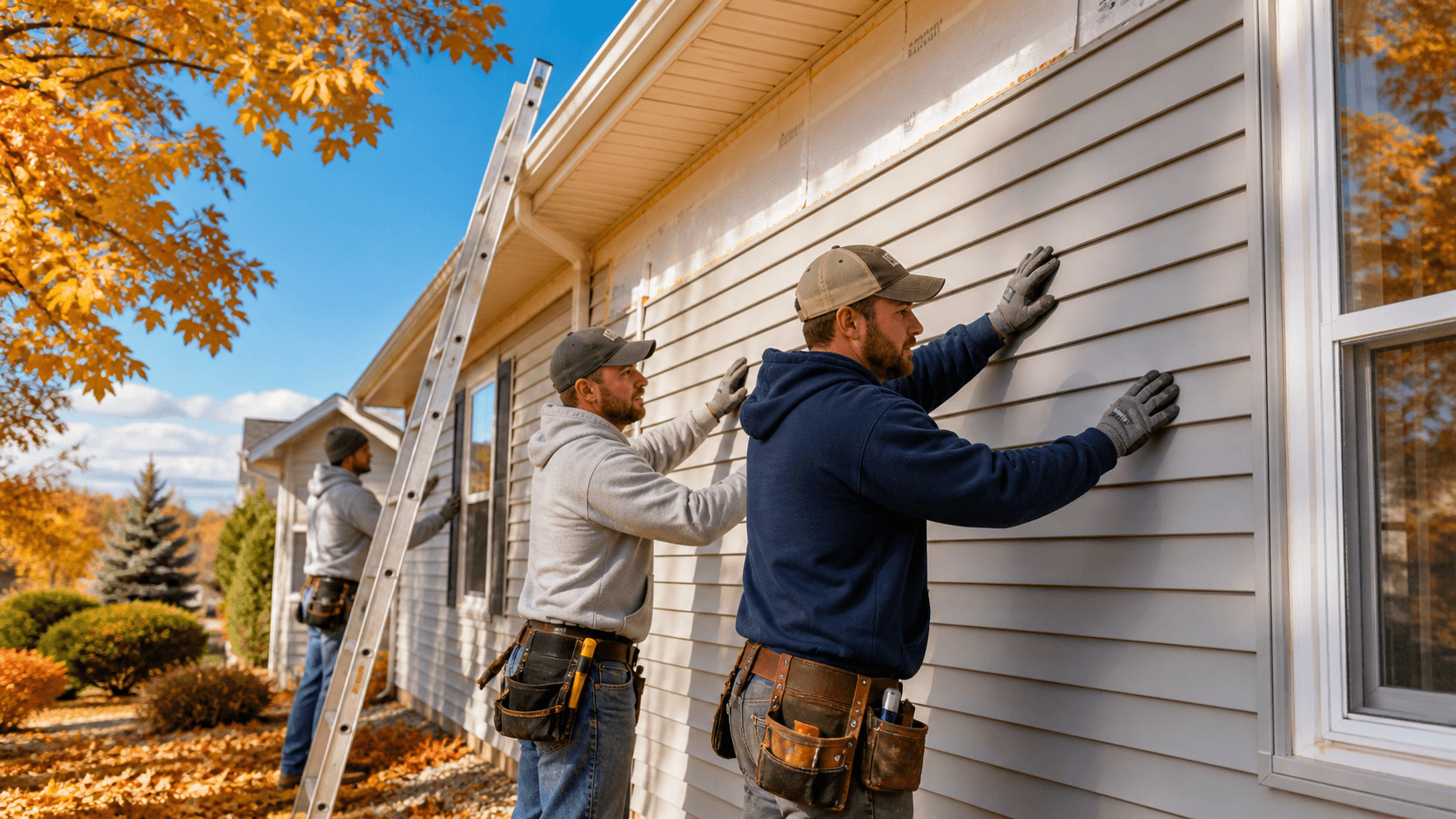
As colder days start showing up in Joplin, many of us begin winter prep, checking furnaces, sealing windows, or covering plants. But siding often gets overlooked. That's a problem, since small issues now can turn into bigger ones quickly once freezing temperatures and snow roll in. Cold, wind, and trapped moisture have a way of turning hairline cracks into warped panels or hidden rot.
That's why fall is a smart time to check the outside of your home. Catching early signs of wear keeps things from spiraling when winter weather hits. A siding contractor in Joplin can help spot trouble now so you're not dealing with repairs in the middle of January storms. Some siding damage is obvious, but much of it starts small. Knowing what to look for now can protect the home better later.
Why Siding Takes a Hit Before Winter
The weeks before winter hits hardest are when siding often starts to struggle. The temperature shifts alone can start things off. As highs swing down into freezes at night, siding materials expand and contract. That constant push and pull can lead to cracks, especially if there's already some wear in the panels.
Moisture also plays a bigger role than most people think. Even a little condensation getting trapped behind a loose board can lead to damage. In early cold snaps, frost can form in small gaps and, as it melts and refreezes, those gaps get bigger.
Then there's the wind. Shifting winds in a Missouri fall pick up dry leaves and debris. That can scratch or slowly press against siding in ways that weaken the surface. Add a few rainy days, and what looked like minor scuffing could suddenly soften and start to peel.
We often notice that by the time real winter hits, any siding flaw we ignored in October has grown into something much harder to fix.
What to Look for Around Doors, Windows, and Corners
The areas around doors and windows see a lot of wear through the year, and that only grows sharper as fall temperatures swing. You'll want to look at those spots first. Gaps between the siding and window trim, or where frames appear to be pulling away, are often early signs of trouble.
Corners are another quiet troublemaker. Those tight angles are where siding pieces come together, and they're easy to miss unless you're looking close. Peeling paint, discolored stripes, or wood that looks bubbled or soft to the touch are worth noting.
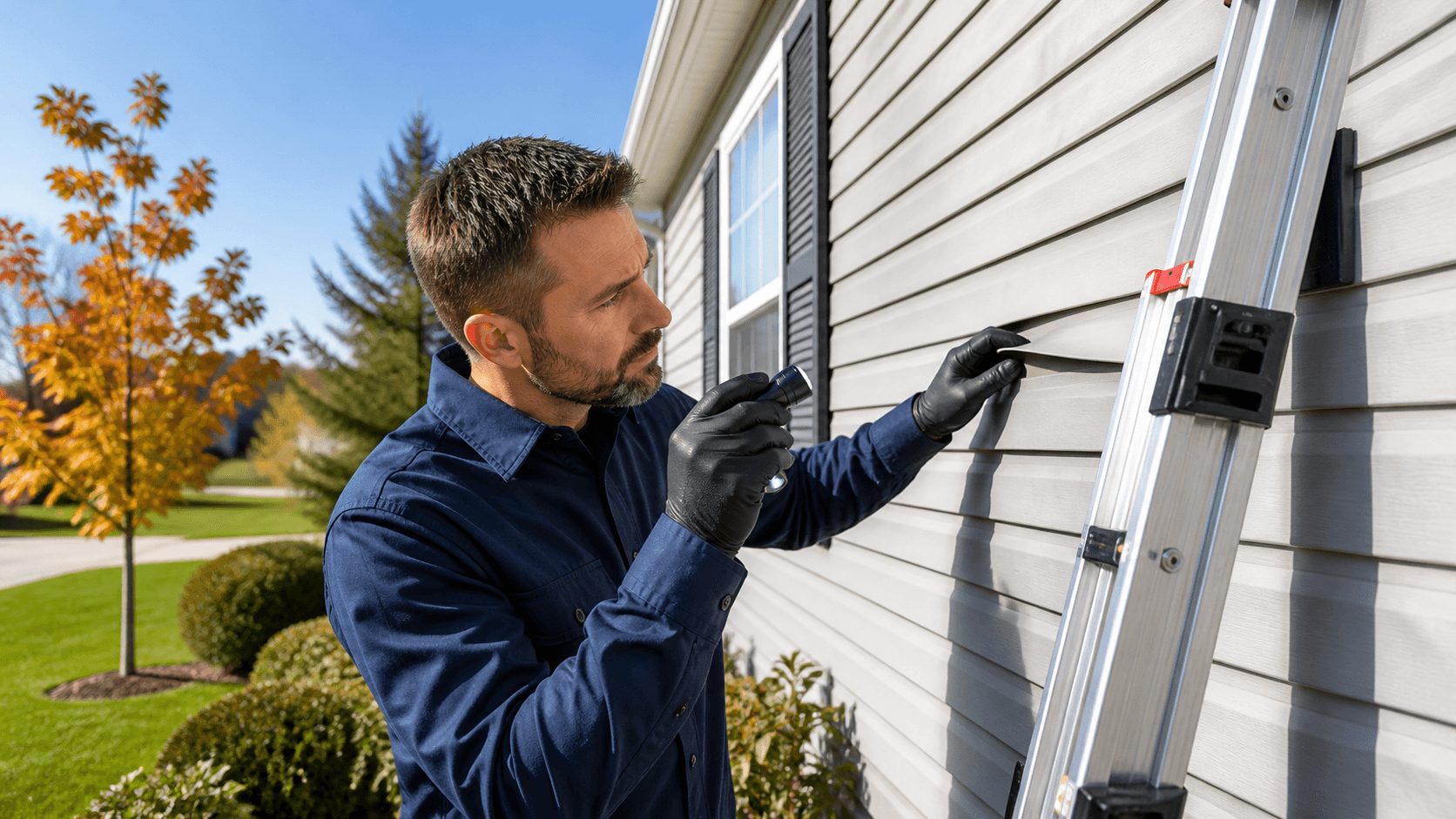
Press gently in a few places, along seams or in corners. Soft spots may not be visible yet, but they're often the first clue that water has been creeping in behind the siding. That kind of hidden damage spreads quickly once the freezing days begin.
Discoloration or chipped surfaces could feel less urgent, but when they're near frames or horizontal seams, they're almost always signs that insulation or the barrier beneath the panel has started to give way.
Spotting Hidden Moisture Trouble
Moisture sneaks in quietly and often hides until it does real damage. Siding is supposed to keep the elements out, but when water gets trapped inside, it creates small problems that can snowball with freezing temperatures.
Signs to watch for include:
- Dark stains or streaks down the panels
- Paint that looks bubbled or feels soft when touched
- Areas with mildew scent, especially near the base of the walls
These clues might not seem like much in mild weather, but under cold pressure, that trapped water can freeze, swell, and split boards apart from the inside.
If you're wondering whether it's surface level or deeper, a siding contractor in Joplin can take a look and tell whether there's moisture building behind the panels. Getting ahead of that helps you avoid issues that often show up mid-winter when repairs are harder to handle through ice and snow.
When the Damage Is More Than Wear and Tear
Some siding issues go beyond normal aging. When panels seem loose, make clicking or tapping sounds in the wind, or appear curved or misshaped, that can signal something more serious underneath.
Freeze-thaw cycles are tough on siding. Even slight cracks can grow as the water inside the wall cavity freezes and expands. Over time, this weakens not just the siding but the support underneath. If a panel starts bending or won't sit flush anymore, the structure might already be taking on more stress.
Here's what we look for when routine wear turns into something more:
- Pieces bent or bent outward instead of flat
- Gaps forming at the seams, especially if they weren't there a few weeks ago
- Panels that shift in a breeze or during colder nights
Waiting too long once these signs show up can draw out repair time and make winter work more complicated. We've seen homes where one warped edge became a whole wall replacement come February.
Stay Ahead of the Weather: Keep Your Siding Strong
Late fall is a key window for catching siding issues before they turn into winter problems. Once winter arrives in full, cold air, ice, and moisture all become harder to deal with. The good news is, you don't need big changes, just regular checks.
Taking a few minutes to walk around your home now could save weeks of stress during the colder months. Watch corners, feel for soft spots, and look for discoloration or bulges in the panels. If anything feels off, it's a sign it could get worse once the temperatures start swinging below freezing.
Quick checks now can keep your siding solid until spring. Protecting those walls before snow and freezing wind show up means fewer surprises later and a home that stays warm and dry through the season.
Getting your siding checked before winter sets in can make a real difference, especially with how quickly weather changes in Joplin. Noticing signs of wear or unsure what's happening behind faded panels? A quick inspection helps catch small issues early so your home stays protected through freezing days and nights. For expert help from a trusted siding contractor in Joplin, Bean Exterior Solutions is ready to assist. Give us a call to schedule your appointment before the cold takes hold.