Cold weather can be tough on a home's exterior, especially when the first freeze comes quickly. Siding that looked fine during the summer may not be ready to hold up against winter winds, frost, or heavy snowfall. That's where vinyl siding installation comes in.
New siding does more than just improve how your house looks. It helps block out cold air, hold in warmth, and protect the structure underneath from damage. With chilly nights just around the corner, now's a smart time to take a close look at your siding and see if your home is ready for the change in seasons.
How Siding Protects Against Cold and Moisture
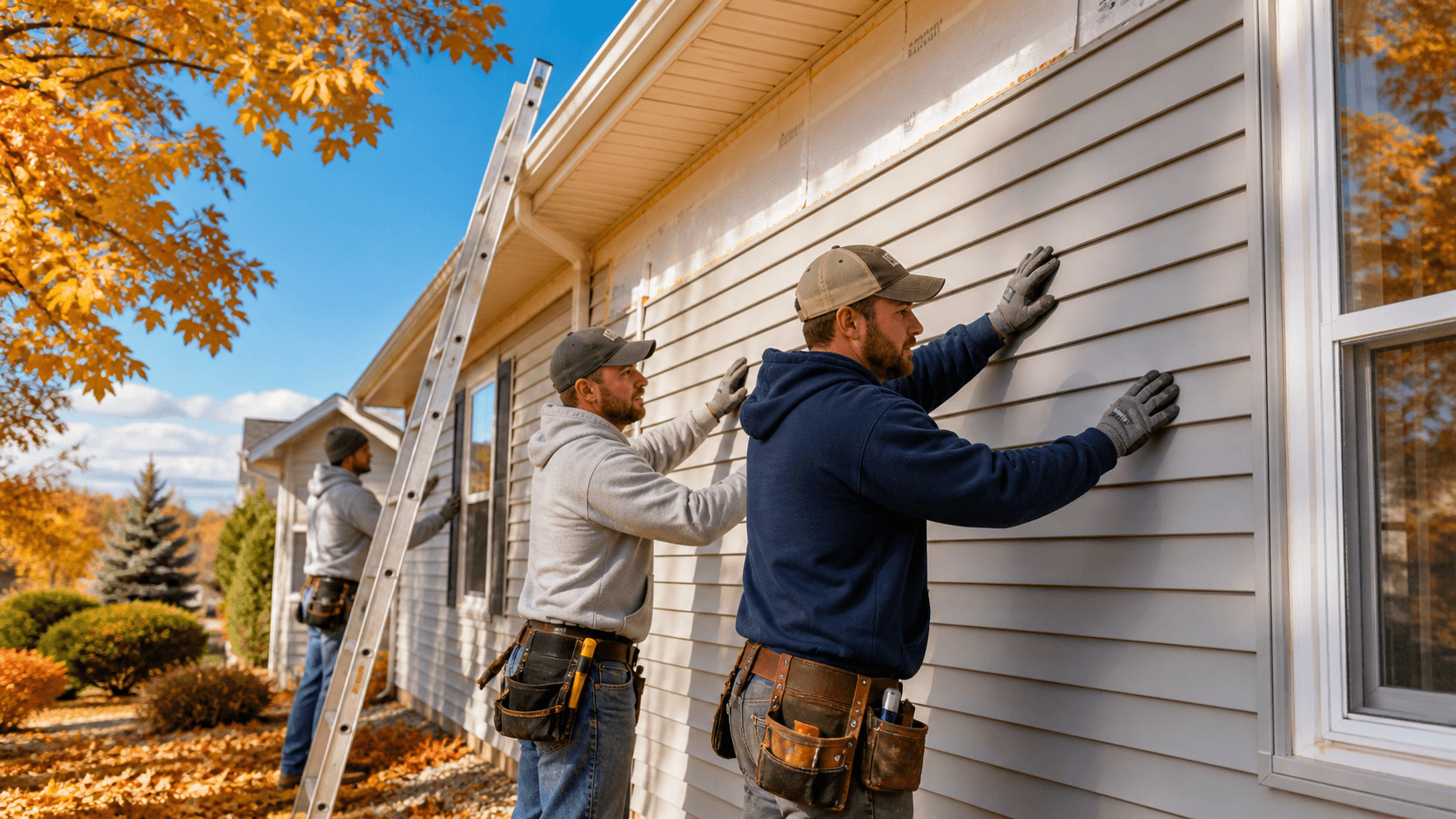
Vinyl siding acts like a zip-up jacket for your house. When installed properly, it creates a tight layer that keeps out cold air and helps trap warm air inside. That means your furnace doesn't have to work as hard and you stay more comfortable.
- A quality vinyl layer keeps snow melt and wind-driven rain from soaking into wood and other materials beneath it
- When moisture does get under siding, it can lead to mold, mildew, or even rot in time
- Proper installation with sealed seams helps stop freezing air from slipping inside and affecting wall insulation or interior temps
- By covering old surfaces completely, siding helps prevent peeling paint or warped panels that often come from repeated thawing and freezing
Bean Exterior Solutions offers residential and commercial vinyl siding installation with a focus on precise fit, proven weather sealing, and products rated for Midwest winter conditions.
All of this matters more when winter storms hit or temperatures in Joplin start jumping between freeze and thaw each week. Having the right protection in place is a smart step to take now.
Signs Your Current Siding Isn't Ready for Winter
You can usually tell when siding is getting too worn to keep doing its job, especially as the seasons shift. Early signs often show up before snow even falls if you know where to look.
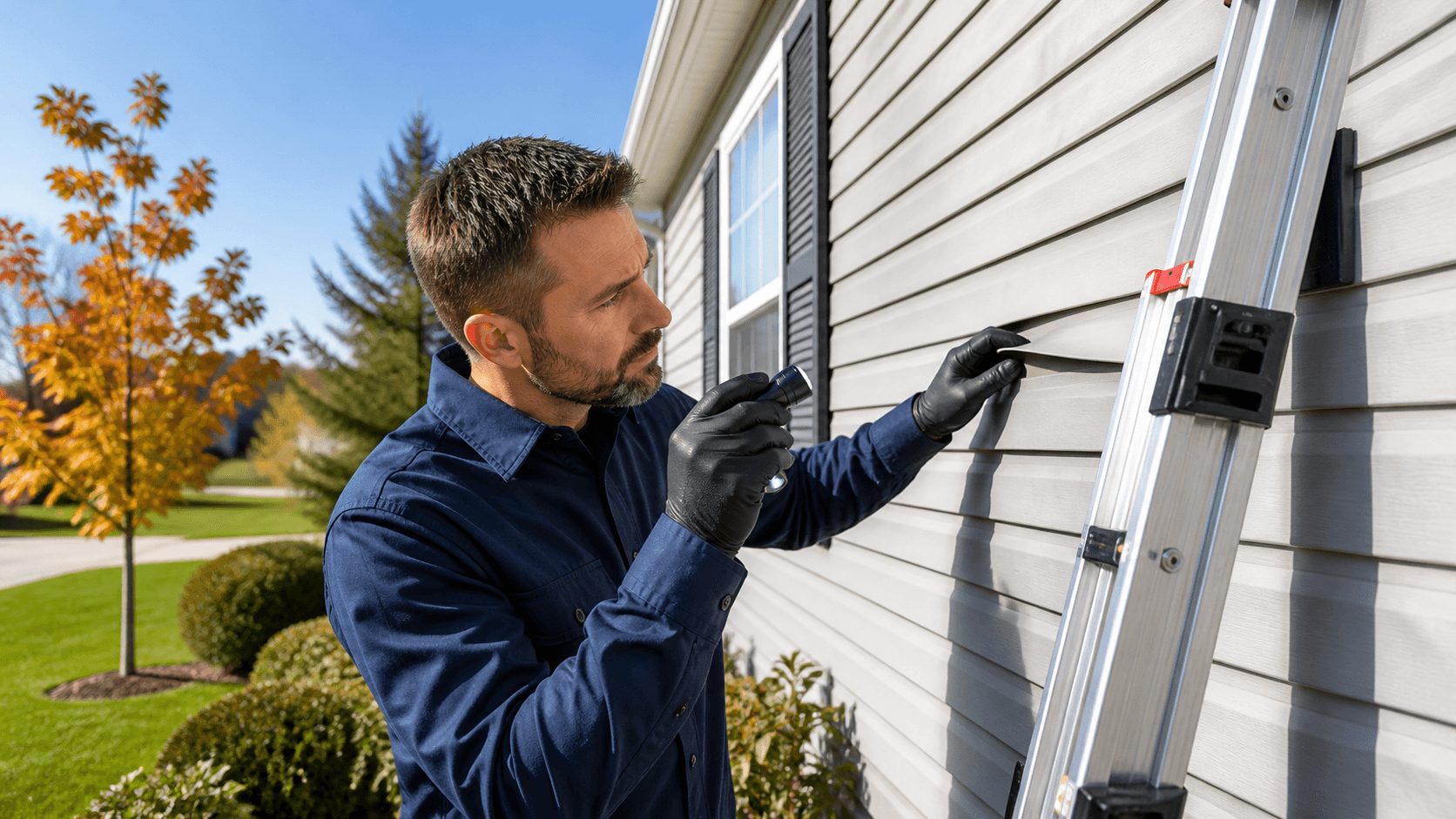
- Cracks, chips, or warped sections are often the first visible clues
- Loose edges or boards pulling away from the wall let cold air sneak in
- Faded or brittle panels could signal the material has aged and weakened over time
- If your walls feel drafty from the inside or insulation isn't keeping things warm, your siding could be part of the issue
We always tell homeowners, trust what you feel inside. If rooms get colder faster, or your heating system struggles to warm the space, the outer walls may not be doing their part anymore. It's not just about looks. It's about function during harsh winter months.
Why Fall Is the Ideal Time for Vinyl Siding Installation
Fall gives us a perfect window between sweltering summer days and freezing winter mornings. It's a season where we can get ahead of the weather, instead of racing against it. That makes it easier to plan the project, and easier for crews to get it done right.
- Cooler, steady temperatures help materials hold shape and seal better during setup
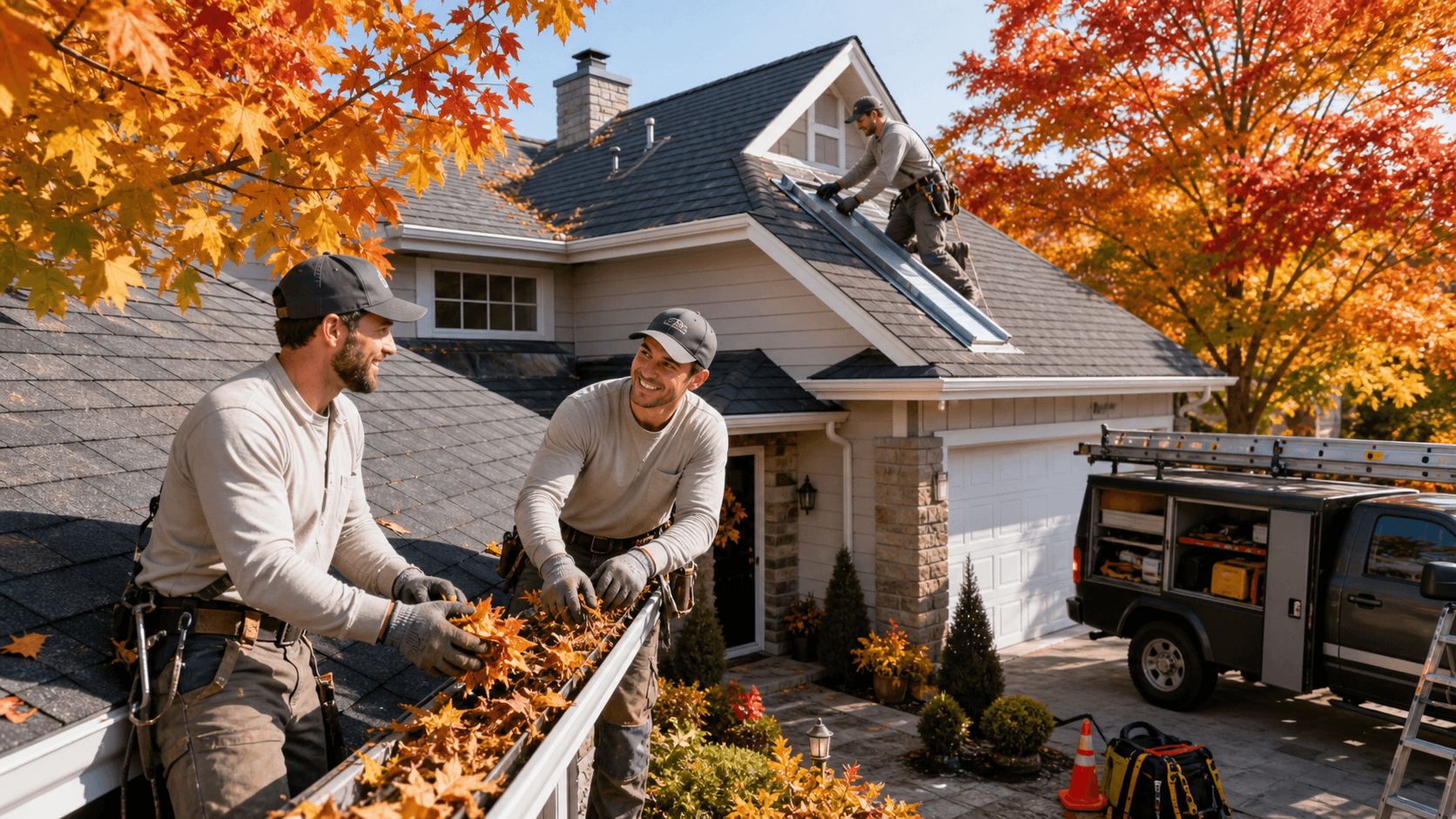
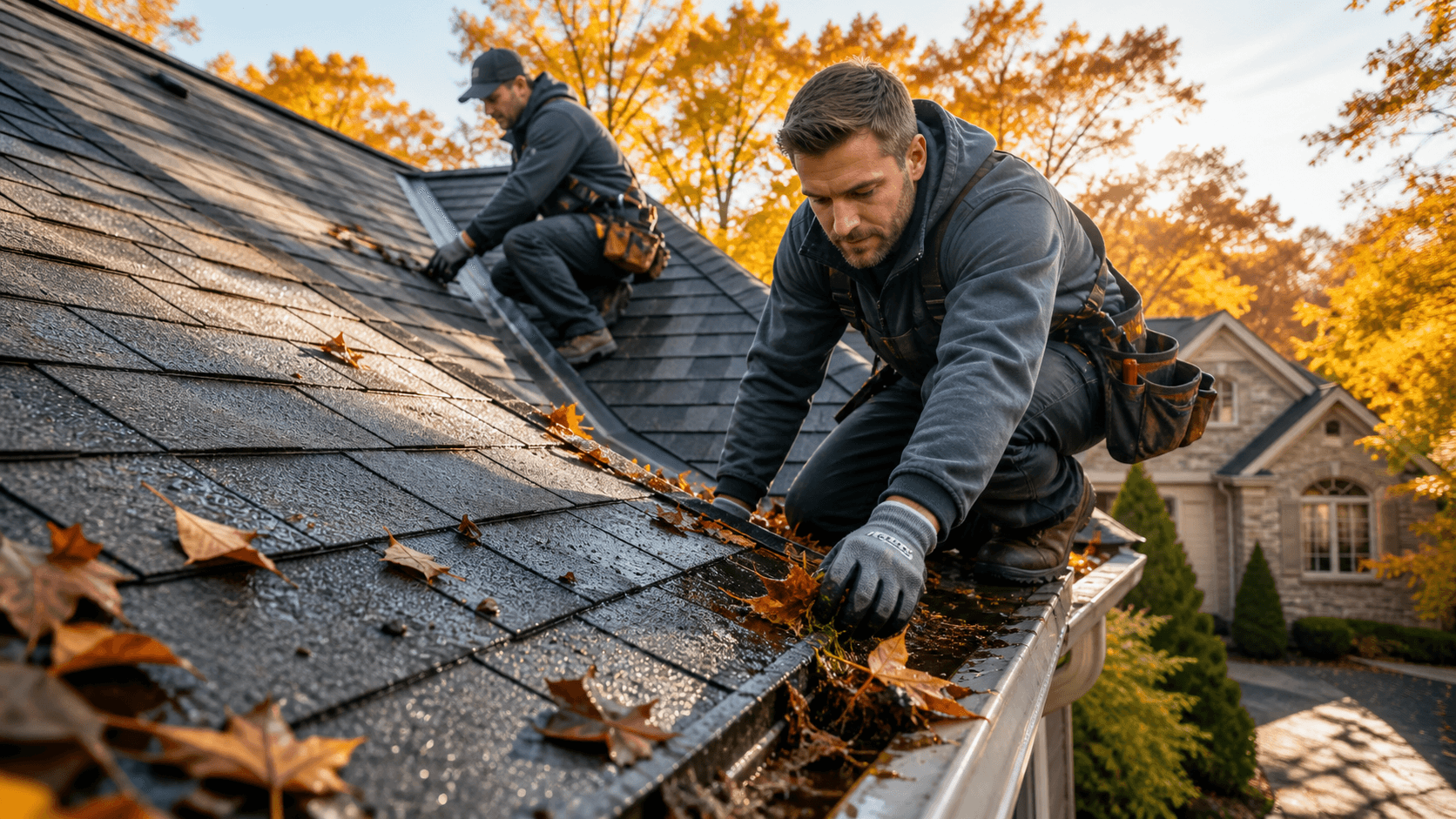
- No ice or snow on rooflines, ladders, or siding panels means safer, smoother work days
- We avoid the delays that often come from icy mornings or sudden winter storms
- Siding gets time to settle in place before it has to face snow or freezing rain
For projects in Joplin, Bean Exterior Solutions schedules autumn installations to ensure the job is complete and protected well before the first winter storm arrives. Our installers pay attention to climate details, worksite safety, and siding performance over the long term.
This is why having siding installed during fall isn't just convenient. It gives your home the best chance to face winter in good shape. Better protection now means fewer surprises when temperatures really drop.
Long-Term Benefits That Carry Into Spring
The good news is, the benefits of vinyl siding go well beyond the winter months. Once it's on your home, it continues to work through every season. The weather may shift, but the siding doesn't need much from you once it's in place.
- Vinyl siding resists moisture and fading, so it looks cleaner and holds up longer
- It keeps blocking wind, bugs, and heat after the snow melts
- Less moisture getting behind the surface means less chance for mold, rot, or major repairs down the road
- It's easy to rinse off in spring once the temperature warms up again
Some upgrades are only noticeable right after you make them. Others keep making life easier all year. Siding installation falls into that second group. Once it's set, it keeps doing the work season after season.
Ready for the Cold? Here's Why It Pays to Act Now
Mid to late fall can be tricky. One week is still mild, the next brings freezing rain. That window between steady weather and real winter shrinks fast. That's why we always suggest looking at your home's siding early in the season.
- When temperatures start falling, old siding may flex or crack under stress
- Damaged areas that seemed minor in summer may not make it through snow and ice
- Water that slips into worn spots now can lead to bigger problems by spring
Prepping your home for winter can feel like a lot, but siding is one area with a big impact. When it's new and secure, you won't be second-guessing every draft or cold spot. It's one less thing to worry about while the weather outside gets rough. Getting ahead of it now helps your home stay ready for whatever winter throws its way.
Drafts getting into your home are a sign it's time to upgrade your siding before winter sets in. New siding can help keep your Joplin home warm, energy efficient, and protected from the elements. We provide complete exterior solutions for homeowners in Joplin, including expert vinyl siding installation that stands up to tough winter weather. At Bean Exterior Solutions, our team knows how to prepare your home for the cold while conditions are still mild. Reach out today to schedule your siding inspection before the next freeze arrives.