When July rolls in, the heat picks up fast. In places like Joplin, summer sun isn't just uncomfortable, it can be hard on your home's exterior. One thing we pay special attention to this time of year is siding. If it's starting to warp, the signs often show up during the hottest weeks of the season.
Good siding installation can help protect against heat-related issues, but even well-installed siding can shift over time. That's why it's important to know what warping looks like and when it might mean something more serious. A quick look at the right time can save a homeowner from bigger headaches down the line.
What Does Warped Siding Look Like?
Not every siding issue stands out right away, but there are a few signs that are easier to catch once you know what to watch for.
- Panels that don't sit flat may be bulging outward or pulling away from the wall.
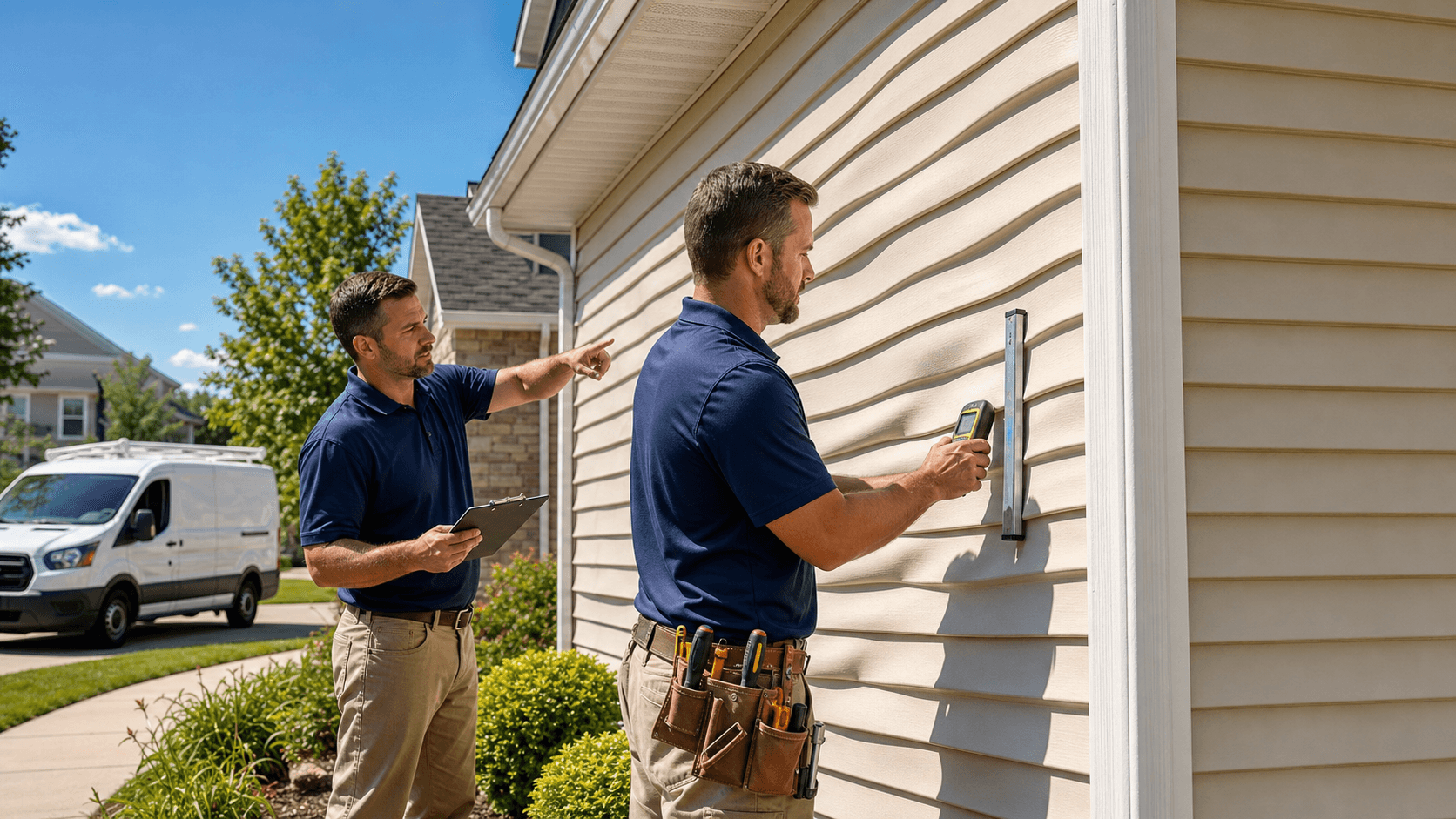
- A wavy look across the wall might show up in one section or gradually across a larger area.
- Seams between boards or panels may start to separate, especially after a hot, dry stretch.
- Boards could look bent or bowed when viewed from the side.
- Some areas may reflect light oddly or change in color slightly compared to the rest of the surface.
From a distance, your siding might still look fine. But up close, changes in shape or how pieces line up with each other can signal heat damage. July is when warped siding becomes more visible, especially on parts of the house that get full afternoon sun. Even slight variances in texture or alignment can offer a clue that something is out of place. Looking along the natural lines of the siding or viewing from different angles at various times of day can reveal subtle defects that might otherwise go unnoticed.
Why July Heat Makes Siding Shift
Siding is built to hold up through a lot, but long stretches of high temperature wear it down in ways you may not notice until patterns show. In the middle of summer, heat causes materials to expand. As they cool off overnight, they shrink again. Over time, that up-and-down pressure can take a toll.
Here's what makes a difference during a hot month:
- If siding wasn't installed with enough room between panels, the heat has nowhere to go. That can lead to buckling or uneven edges.
- Older siding that's become brittle is more likely to bend or curl when it heats up.
- Homes with one side that gets heavy sun for most of the day may experience more wear on that wall.
Some materials adjust better to temperature swings than others, but none are completely immune to this kind of pressure. Every home in Joplin goes through these seasonal changes, which is why we check for stress in problem-prone areas around windows, doors, and under eaves. Sun and shade patterns also change throughout the year, which means different areas may face varied stresses over time. This is why a close inspection during July, when the sun's impact is strongest, is especially valuable for catching early signs of trouble.
Repeated cycles of heating and cooling act on the siding every day. When this repetition stretches across weeks of severe heat, the stress multiplies and can speed up the process that leads to warping. Being aware of the impact of the environment on your siding materials is key to understanding why even homes with quality installation may see some shifting or movement in exposed panels after several intense summers.
When Warping Signals Bigger Trouble
Warped siding isn't always just about looks. Sometimes the shift in shape is only part of what's going wrong. Once siding starts to bulge or pull away from the house, it creates gaps that can lead to other problems.
- Moisture can slip in behind the siding if it's pulled loose from its base.
- Bugs or small animals might find their way inside through those same weak spots.
- Damp spots behind siding can soften wall sheathing or cause wood rot you can't see from the outside.
- Loose panels often rattle in heavy winds and may break off completely during a storm.
If any siding feels soft when pressed or wobbles when touched, it's worth taking a closer look. Sometimes the biggest damage sits behind one small area. Over time, those gaps widen, and the problems expand with them. What starts as a minor warp can create a path for more serious issues.
Unseen moisture is especially dangerous because, over the course of a few weeks or months, it can lead to mold or mildew growing behind the siding. If this is left unchecked, it may migrate to interior walls, resulting in more widespread repair needs. As insulation gets damp and fasteners loosen, more sections may eventually become vulnerable, so watching for these side effects of heat-warped siding is important all summer long.
How Siding Installation Affects Long-Term Performance
The way siding is installed has everything to do with how well it handles summer heat. Materials shift naturally with the seasons, but siding should have just the right amount of breathing space to handle that movement without losing shape.
Things we think about when we review a past siding installation:
- Fasteners that are too tight can pin siding in place, leaving no room for it to expand.
- If pieces are pushed too close together, they may push against each other when heated, causing twisting or pressure cracks.
- Missing ventilation behind siding can trap heat and humidity, making everything worse.
Bean Exterior Solutions specializes in quality siding installation for residential and commercial properties in Joplin and the surrounding area. We use durable materials that are designed for Missouri's climate and always install to manufacturer specifications for maximum lifespan.
The heat in July doesn't just make surface material warm. It fills the space behind siding with hot air that lingers well into the evening. Without room to breathe, siding bakes from both sides. When installed properly, siding can handle hot months like these without much trouble. But problems often point back to how something was applied or how long it's been in place.
Correct installation also ensures that each layer, from the underlayment to the outer panel, can perform its job through every season. Proper ventilation channels and precise fastener placement balance the need for stability with the natural give that prevents buckling or breakage as temperatures climb. Paying attention to these details doesn't just reduce maintenance, it also lengthens the overall life and effectiveness of your siding.
Stay Ahead of the Worst Summer Damage
Summer weather in Joplin isn't known for easing up, and that makes checking your siding in July more than low-priority upkeep. This is the moment when heat damage becomes easier to spot and when siding issues can grow fastest if left alone.
Here are a few signs worth watching:
- Sections of siding that look rippled or bent
- Gaps or lifted panels, especially near seams and fasteners
- Discolored patches or places where reflections change suddenly
- Soft or loose spots that shift when touched
A little checking now can save a lot of work later. Siding should run flat and smooth across your home. When touched, it should feel firm, not hot or soft. If that's not what you're seeing in the heat of summer, it's probably a good time to have it looked at. Catching small warps early helps the whole house stay secure, shaded, and protected through the season and beyond.
Becoming familiar with these warning signs means you can address areas of concern before they turn into costly problems. The best approach is being proactive and attentive to the spaces around eaves, corners, and window frames, where heat is often most persistent and warping may begin first. Regular attention to your home's exterior, particularly in the peak of summer, will help identify these problems quickly and keep your siding, and by extension your home, in excellent condition for years to come.
Summer in Joplin brings intense conditions that can take a toll on your home's siding, especially if you're seeing shifting panels or signs of heat damage. Addressing these issues early protects your investment and keeps small problems from getting worse. A quality siding installation helps ensure your home stays secure and looks great year-round. At Bean Exterior Solutions, we're ready to help you choose the best option for your needs. Reach out today to get started.