Introduction
Summer in Joplin can be intense. The days get scorching, the skies stay clear one moment, then suddenly drop hail the next. For homeowners, that seasonal shift can spell trouble for the roof. What might look fine from the ground could already be under enormous stress.
Extreme heat and sudden hailstorms do not just create short-term issues. They gradually wear down roofing materials until repairs are not optional anymore. That is where keeping up with roof repair in Joplin really starts to matter. Taking action sooner helps your roof last longer and gives you fewer surprises down the line.
How Heat Wears Down Roofing Materials
Heat slowly tears away at a roof's protective layers. Even when it is dry and sunny, damage can start to build.
- Prolonged sun exposure dries shingles out, making them stiff and brittle over time
- Asphalt and fiberglass materials start to loosen or crack as they lose flexibility
- Heat can cause seals and adhesives to weaken, especially near vents or skylights
- Thermal expansion happens as materials stretch and contract between day and night, which can lead to warping or gaps
You may see shingles begin to curl at the edges or notice faded spots where color used to be deeper. Blistering can show up too, especially on older roofs. These symptoms tell us a roof is starting to break down under pressure. And when it is paired with high humidity, that stress only gets worse.
When Hail Hits: What to Know About Sudden Damage
Hail seems quick, but the impact does not always stop when the storm clears. Damage from hail can be obvious or hidden, which makes it hard for homeowners to know what is really happened overhead.
- Shingles often get small cracks or dents that are not visible from the ground
- Protective granules can be knocked loose, leaving bare spots that wear faster
- Metal roof vents or flashing get dents that collect water over time
- Repeated hits from several summer storms can strain the same weak areas until problems pop up inside
Sometimes the first clue comes from a leak that appears days or even weeks later. A strong hailstorm can leave moisture paths behind that take time to show up indoors. That is why one storm might not cause immediate damage, but after three or four pass through, everything built up begins to surface.
Risks of Delaying Summer Roof Repair
It is tempting to push roof work off until fall or later. But when summer cracks or hail dents get ignored, moisture finds its way in through places we cannot always see.
- Water seeps into underlayers, softens wood, and creates the conditions for mold
- Small leaks become bigger as storms continue or as heat opens those areas wider
- Minor flashing damage can start to pull away, exposing seams and edges to more rain
- Weak shingles may start flapping or shifting when wind picks up, creating gaps wind and water can push through
If we wait too long, what started as a fixable area can become structural. That means more work, bigger repairs, and a greater risk of indoor damage. Summer's heavy rains do not wait for a better time, and each delay stacks risk on top of already fragile sections.
How Local Weather Affects Roof Lifespan
Roofs in Joplin deal with harder conditions than those in milder climates. The mix of brutal heat, heavy humidity, and fast-moving storms creates a cycle that wears materials out sooner than many expect.
- Summer brings back-to-back weather extremes that cause materials to shift repeatedly
- Dry spells are followed by sudden downpours, stressing out seals and drainage areas
- Winds often arrive suddenly with storms, putting fast pressure on tiles, nails, and flashing
- Local materials, like asphalt shingles or certain rolled roofs, respond differently based on how they are installed and what direction they face
Bean Exterior Solutions specializes in roof repair, replacement, and maintenance for both homes and businesses. We use high-quality materials and precise workmanship to keep every roof strong against Joplin's unpredictable conditioning, securing problem areas before issues grow.
Some areas of the roof may take more sunshine each day and fade or flare faster. Others may stay in permanent shade and collect more moisture. The way local weather plays out over time, especially year after year, means that every roof in the area needs to be built and maintained with these conditions in mind. No one-size solution works here. Instead, we have to think about how constant exposure builds up in layers, season by season.
What a Strong Repair Looks Like After Weather Damage
Not all roof repairs hold up the same way. Some patch problems for a few months while others stay solid through multiple seasons. Good repair work after weather damage focuses on long-term strength.
- Sealing is redone with material that will not shift as soon as temperatures spike again
- Damaged shingles get fully replaced, not just covered or sealed over
- Flashing near areas like chimneys, vents, and skylights gets re-fitted to close off all edges
- Vents and pipes get checked, since impact or heat shift can cause leaks around their bases
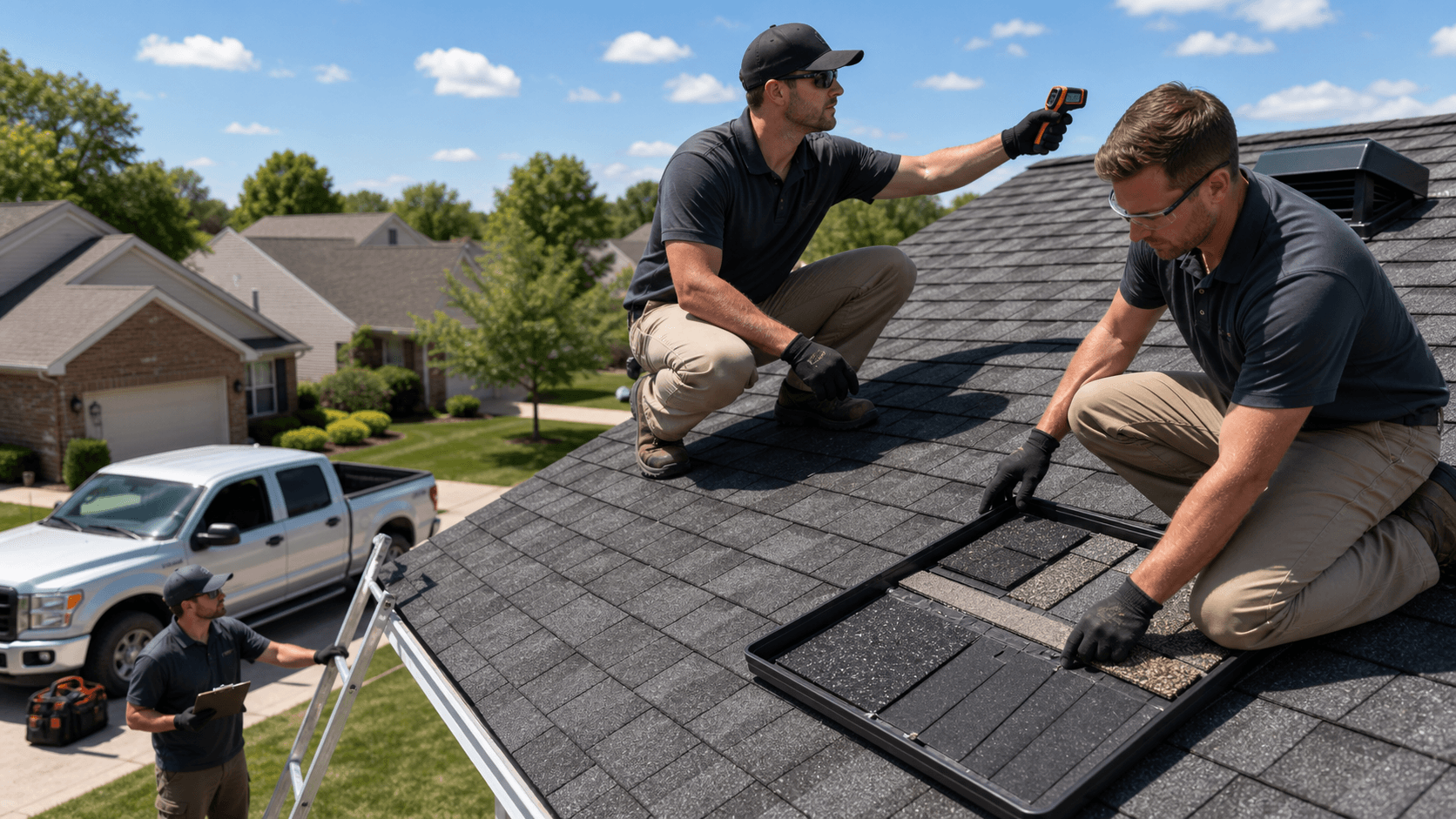
A strong repair stops water from getting in and keeps weak spots from expanding. It also prepares the roof for the next weather shift, not just the one that caused the damage. That is why we check the whole area instead of fixing just what is easy to see. If we treat the full system, the next round of heat or hail will not catch us by surprise.
Staying Ahead of Joplin's Roof Challenges
Summer is the season we see damage build the fastest. The heat weakens one part, then the hail strikes another. All of it adds up. That is why this time of year is all about staying alert to warning signs and making changes before bigger issues form.
Checking for storm impact and heat stress during midsummer helps avoid the emergency repairs that show up later. It gives us the window to act while things are still manageable. Once fall storms arrive, there is often less time and more urgency. Taking roof wear seriously now means steadier conditions when we need protection the most.
In places like Joplin, our roofs do not get to rest for long. The more we notice during summer, the longer our roofs can run strong without major repair. Keeping up now is what lets a good roof keep doing its job long after the next storm rolls through.
Keeping your roof in good shape through a Joplin summer takes more than just a quick glance after storms pass. We look for the small issues that lead to bigger ones, helping you avoid the stress of last-minute fixes. Noticing signs of wear or damage means it is the right time to address them before the next wave of heat or hail sets in. Let us help you stay ahead with reliable solutions for roof repair in Joplin. Contact Bean Exterior Solutions today and schedule your inspection before the next storm arrives.