Gutters might not be the first thing you notice on a house, but they do a lot of work quietly in the background. A good gutter system moves water away from the roof, walls, and foundation. If they aren't installed right, you can end up with problems like rotting wood, flooded landscaping, or water in places it shouldn't be.
That's where experience really matters. With professional gutter installation, we pay attention to all sorts of details that may not seem like much at first glance. The shape of the roof, the slope of the yard, even the direction your home faces, all of it plays a part in how water travels. From the first check to the final seal, a good install always starts with knowing what to look for.
What a Team Checks Before Starting a Gutter Job
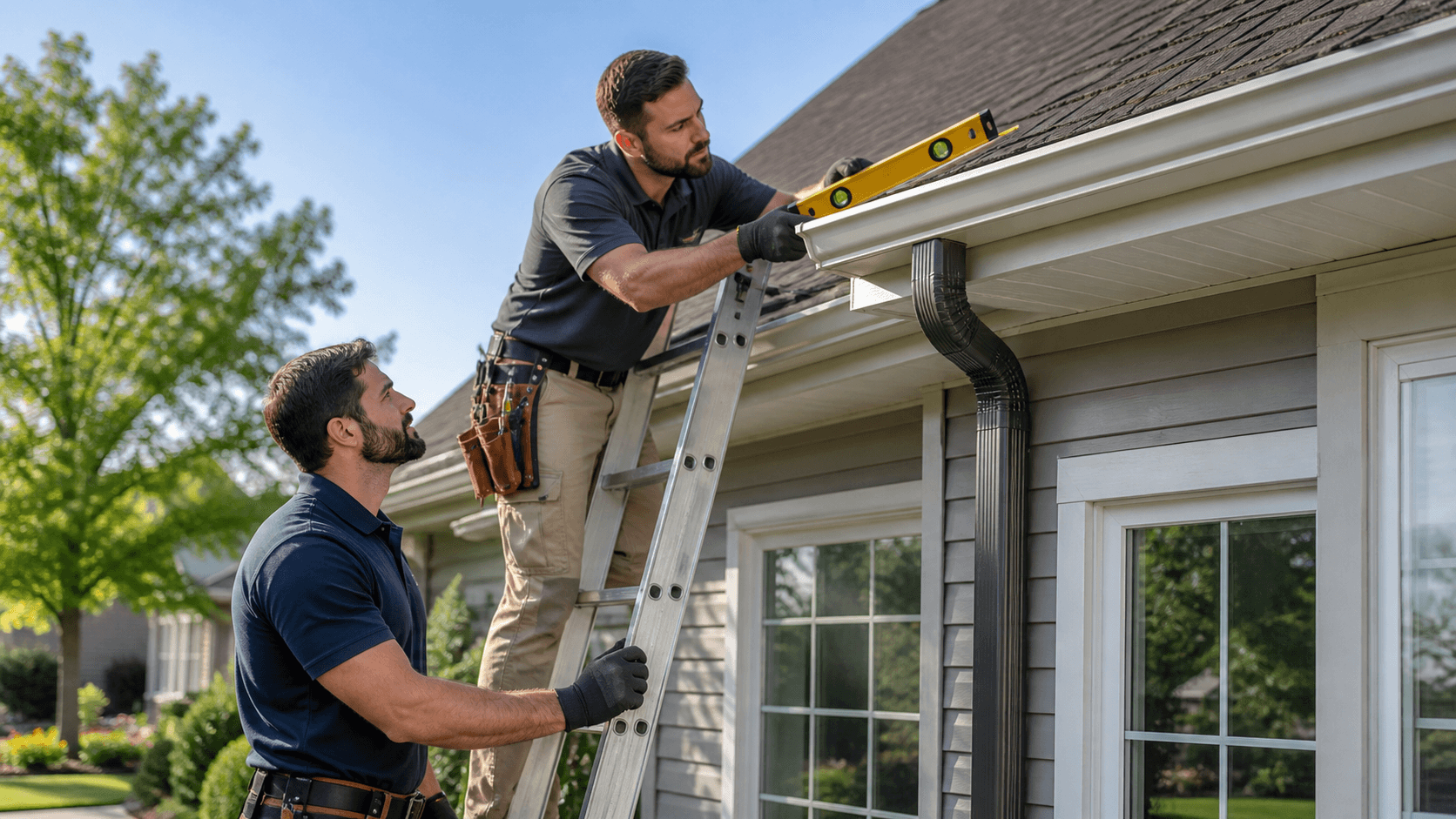
Before we lift a single tool, we take time to look at how the home is set up. Every house is different, and every roof sends water in its own direction. That's why a proper start makes all the difference.
- First, we look at the roofline and its slope. This tells us how fast and where water will run during a heavy rain.
- Then we check the fascia and soffit boards, those areas right beneath the edge of the roof. If there's any damage or hidden rot, that has to be fixed before anything goes in.
- Lastly, we measure each edge of the roof. Getting the size and placement right isn't just about fitting the house, it's about making sure the whole system lines up and works evenly.
These steps help us avoid surprises and set up the project for a smooth install. Taking these extra steps in the early stages leads to better, longer-lasting results and can keep a homeowner from facing unexpected repairs later on.
Matching the Right Materials to the Home
Not all gutter materials are the same, and what works in one part of the country might not last in another. Around Joplin, where we get long stretches of humid weather and sudden storms, the material matters.
- Aluminum is common because it's lightweight and resists rust, but in areas with more tree coverage or wind, stronger materials like steel might hold up better.
- Copper can be a great match for older-style homes, blending in naturally as it ages, but it tends to stand up better in drier areas than places with frequent hail.
- We also look at the roof pitch. A steeper roof sends water down more quickly, so larger gutters may be needed to catch the flow in time.
The home's surroundings matter too. Trees nearby can increase the amount of leaves and debris that fall into the system, so we plan for that when choosing size and shape. Factoring in how the seasons affect a property makes it easier to recommend a gutter that won't need extra repairs once winter or fall storms arrive.
Bean Exterior Solutions installs high-quality gutter systems using durable materials suited to each unique property. Our team provides both standard and seamless options to ensure peak performance and longevity, a critical consideration with Midwestern storms.
Planning Drainage and Downspout Placement
Where the water ends up is just as important as how it gets there. We spend time planning not just where the gutters go, but how everything drains.
- We check the ground for areas where water tends to pool already, then avoid sending more to those spots.
- Downspouts are placed to keep water away from foundations and walkways. No one wants a stream across their front steps or a soggy flower bed.
- The whole setup should stay in balance. If one side handles too much water, things can back up or spill out.
It's not just about putting up gutters. It's about making sure water gets where it needs to go safely and smoothly. Smart planning at this step helps prevent foundation problems and keeps landscaping looking its best after a downpour.
Safety, Stability, and Long-Term Function
Once we know the layout and materials, we get to work. But a good install isn't just about the pieces, it's about how it all stays together.
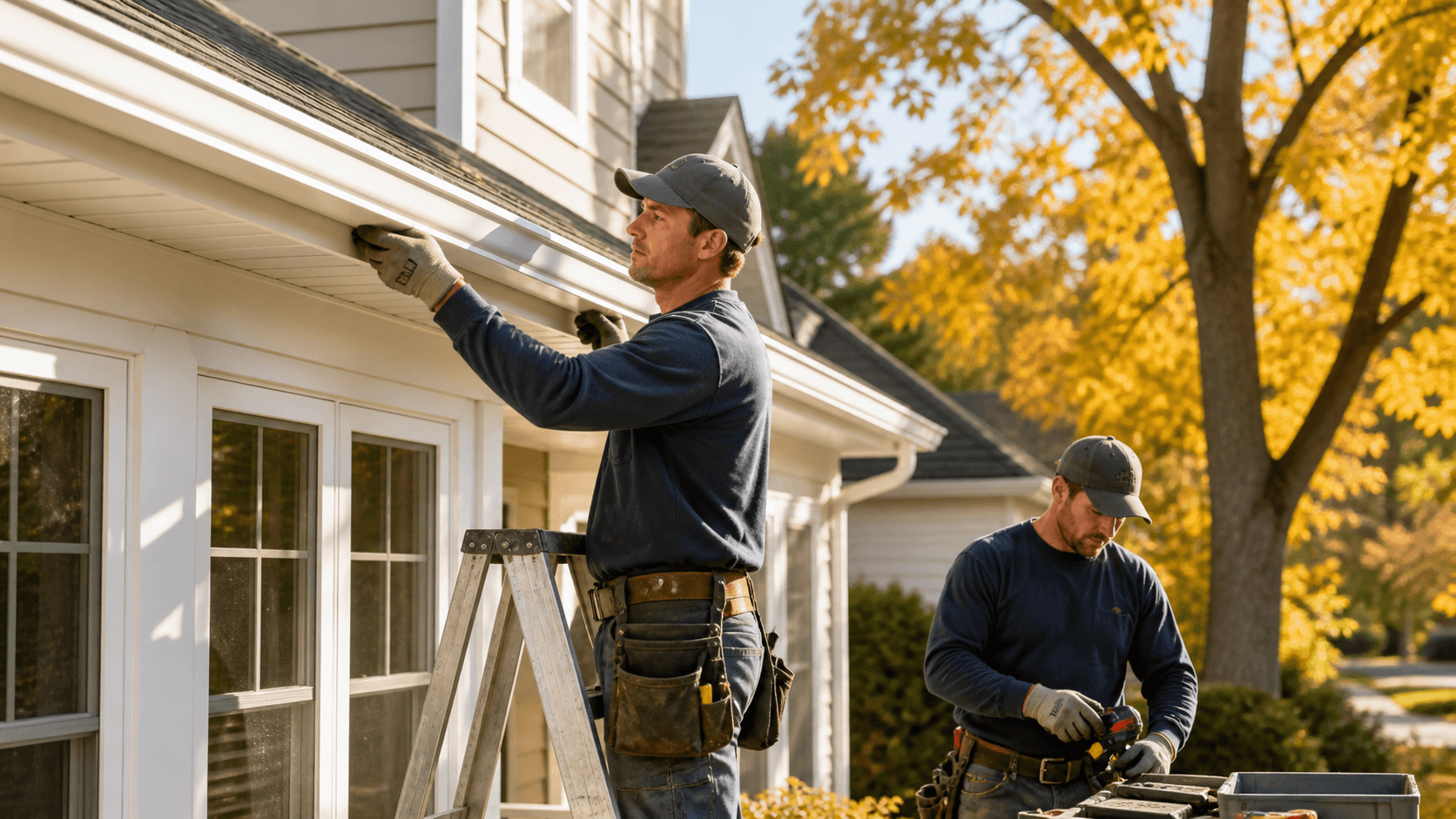
- We use strong hangers spaced the right distance apart. Too few and the gutters sag. Too many and the structure can start to split.
- Every corner, joint, and end cap gets sealed carefully. If one tiny opening is left unsealed, water finds its way out when it rains.
- Surroundings matter too. A house under big trees might need extra support to handle leaves and heavy rain. Homes with open yards may catch strong wind.
We also think about what this setup will look like in a month, or next year. A rushed job might look fine now, but it won't last long if these parts are missed.
By focusing on the right spacings and supports, we reduce the chances that gutters will sag or leak when the seasons change or during high winds. Paying attention to the small details, like how a joint comes together or which sealant is used, helps prevent costly water damage and protects paint and siding for years.
We ensure every project includes robust hardware, precise sealing, and solutions that take future maintenance needs into account, protecting your investment for the long haul.
What Happens After Installation
Once the gutters are up, we're not finished until we know everything is working the way it should.
- We run water through the system to check slope and drainage. Even a small flat spot can let water sit and cause problems later.
- We walk the full line, looking for places that might not be sealed tight. Every part of the gutter needs to hold up during a real storm, not just when it's dry.
- Then we explain to the homeowner what to watch for. A good sign things are working right is quiet, stable flow. If there's overflow, dripping, or water marks, it could mean something shifted.
It's easier to fix small problems in the beginning than bigger ones down the road. These checks give confidence that the installation will stand up to the next big rainfall and save homeowners from needing emergency repairs after a storm.
Careful Work Leads to a Stronger Gutter System
The difference between a sturdy gutter setup and one that falls apart in the next storm usually comes down to what kind of care went into the install. When we take time to plan around how water moves, where it settles, and what pulls on the system each season, we give that system a better chance of lasting.
That care comes from experience. The way we hang brackets, seal joints, or slope the whole line may look simple, but each step helps keep water flowing and the house protected. Professional gutter installation always starts with a close look and finishes with a structure that won't let you down in the middle of a storm.
At Bean Exterior Solutions, we take pride in the care we give to each installation, especially in places like Joplin where weather can change quickly. A lot goes into protecting a home long after the gutters are up, and every small detail matters. That's why we always bring the same focus from the first inspection to the final seal. Planning new gutters or replacing an old system? Our professional gutter installation lays a strong foundation from the start. Reach out today to talk with us about what your home needs.