Introduction
Summer is a great time to take a fresh look outside. In Joplin, those longer days and clear skies give us room to stay ahead of home upkeep, especially when it comes to gutters. Old gutters can look fine from the street but still cause trouble if they're not moving water the way they should.
What we often notice is that warning signs sneak up slowly. A drip here, a sag there, and before long, water damage is showing up in places it shouldn't. Knowing how to read the condition of your gutters can help keep bigger problems away. And when they're too far gone, that's when gutter installation in Joplin becomes the safer choice.
Signs Your Gutters Are Wearing Out
Old gutters don't always quit suddenly. In fact, they often fail a little at a time. If you know what to look for, the signs are usually pretty clear.
- Cracks and splits, even small ones, can grow quickly when heat, rain, and debris start working against the material.
- Sagging lines along the edge of the roof might mean the hangers are loose or the structure is strained.
- Peeling paint under or around gutters can mean water is spilling where it shouldn't.
- Gutters that pull away from the house or show gaps at their joints usually aren't staying properly connected.
- Overflowing gutters during a light rain or ponds forming near the foundation often mean there's a clog, slope issue, or break somewhere along the run.
These kinds of warning signs are easier to spot during summer, when the storms are giving gutters a regular test. Catching these details early can help you decide if repairs will hold or if replacement is the smarter move.
Water Damage Around the Home
Gutters don't just protect the roof, they help shield the entire exterior from water. When water isn't draining as it should, it finds its way into trouble spots. The signs may start subtle but grow fast if left unchecked.
- Dark stains on the siding or paths beneath the downspouts can mean the water's leaking or not directing properly.
- Mold or mildew near the roof edges often shows that moisture is hanging around too long.
- Trim boards or fascia that feel soft or are showing signs of rot may have been getting wet slowly over time.
Each of these signs usually starts from water escaping in the wrong place. When that's happening over and over during summer rainstorms, even solid parts of your home can wear down in ways that are hard to spot without taking a closer look.
Seasonal Storms and Stress on Old Gutters
Joplin summers can bring deep heat and sudden heavy storms. With that kind of weather, old gutters are under more stress than they get during any other season. Sudden downpours can overwhelm weakened sections that might have been holding up just fine during drier months.
- Torrents of water can wash over the edge if the slope is wrong or the gutter is blocked even slightly.
- Wind-driven rain can sneak behind pulled-away gutters or poorly sealed joints.
- Frequent storms raise the odds that one more gust or surge pushes older sections past their limit.
When we talk about gutter installation in Joplin during the summer, it's partly because waiting too long can let one storm turn gutter wear into home damage. Acting now keeps your house one step ahead of the next round of severe weather. If gutters are already showing signs of age or struggle, they may not stand up to the added pressure, making a midsummer update a smart preventative move.
What Rust, Holes, and Corrosion Tell You
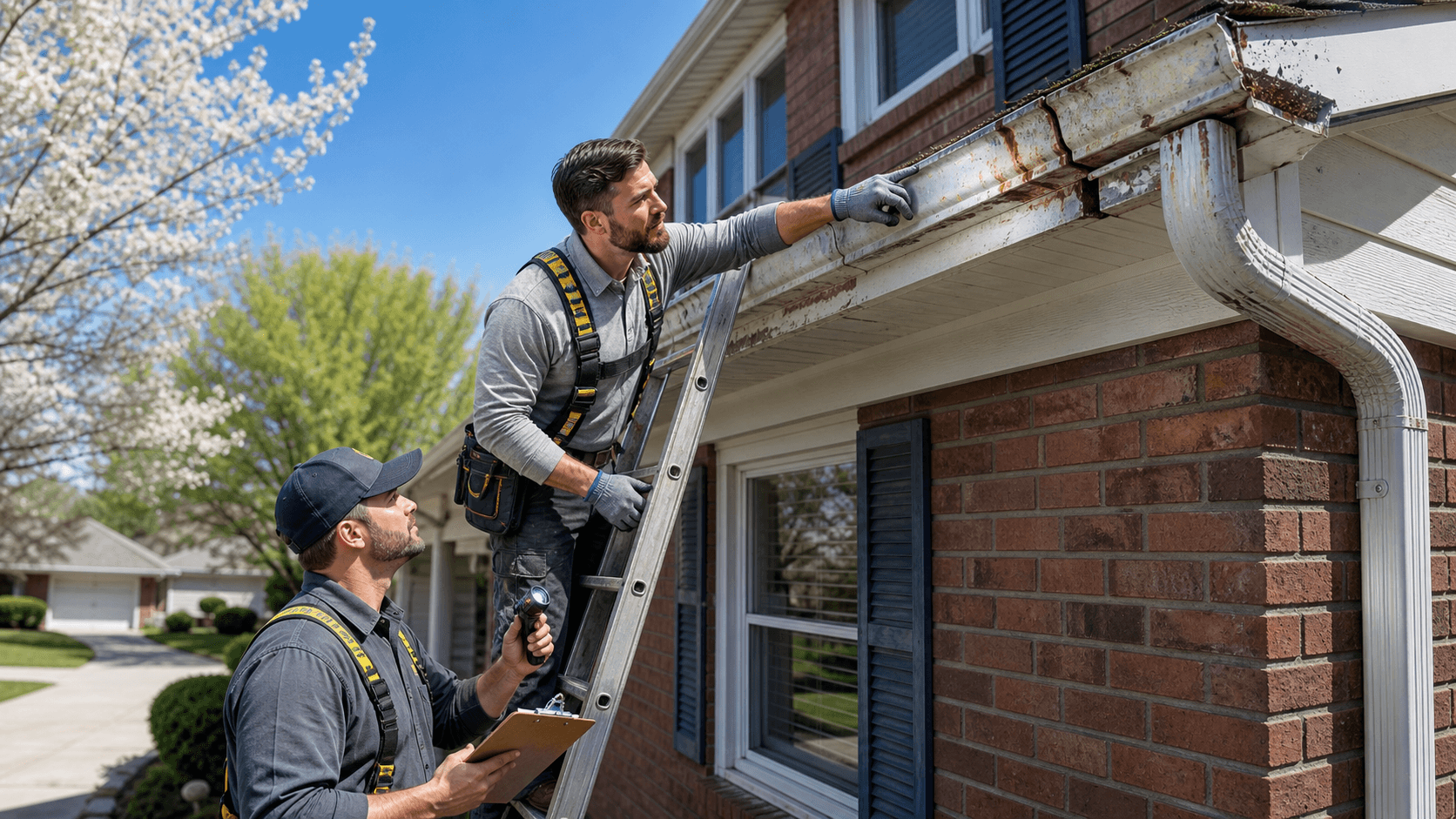
Even something that looks like a small rust spot can be a message that change is coming. Metal that's been exposed to moisture will eventually wear through, and that's when leaks grow harder to patch.
- Rust that doesn't go away signals that water has been sitting for a while and reacting with the surface.
- Pinholes or streaks under the gutter often appear after internal corrosion has quietly spread out of sight.
- If you've already patched or sealed a section more than once and it still leaks, the material has likely lost most of its strength.
At that point, repairs might slow things down, but a full replacement is usually more reliable and longer lasting. This is something we notice more often than not around homes with older systems that have been through many seasonal cycles. Knowing when material fatigue or weathering has outpaced patchwork is a big step in protecting your home from summer storms.
Bean Exterior Solutions provides gutter installation, replacement, and maintenance services tailored to residential and commercial properties. We use proven, weather-resistant gutter systems to make sure water is managed reliably and safely all year for our customers across Joplin and the surrounding area.
When to Consider a Professional Inspection
Gutters aren't something most people think about unless something obvious goes wrong. But even when they're still doing their job on the surface, damage can be hiding behind the scenes.
- Signs like loose fasteners, slight shifts in angle, or minor backflow may not stand out if you're not trained to spot them.
- Many times, issues in hard-to-see corners or high spots go untreated until visible water damage shows up inside.
- Summer inspections give us access to everything in dry conditions, making it easier to test drainage and adjust any problem areas.
Catching small issues now means you won't be calling for emergency fixes mid-storm or dealing with water leaks when schedules are already backed up later in the year. Routine summer inspections can find trouble early, often before costly repairs or replacements are needed, keeping annual upkeep manageable.
A Smarter Way to Stay Ahead of Gutter Problems
Knowing how to spot when gutters are wearing out protects more than just the edge of the roof. It helps keep mold, mildew, foundation issues, and siding problems from gaining ground. Anything that quietly collects damage over time can turn into sudden trouble if we don't stay ahead of it.
Getting help from someone who knows exactly what to look for can bring peace of mind and a clear plan moving forward. Reliable gutters keep water moving where it should go, and that makes a big difference during the fast storms and hot stretches of a Joplin summer. Being proactive now saves stress and repairs later. Inspections and updates are much simpler in clear weather, before storms test your gutters' limits.
Summer is the perfect time to ensure your gutters are ready for Joplin's storm-heavy season. Aging or damaged gutters can quickly lead to bigger problems if left unaddressed. Explore how we approach gutter installation in Joplin and discover what a replacement can do for your home. Contact Bean Exterior Solutions today and let our team help protect your investment.