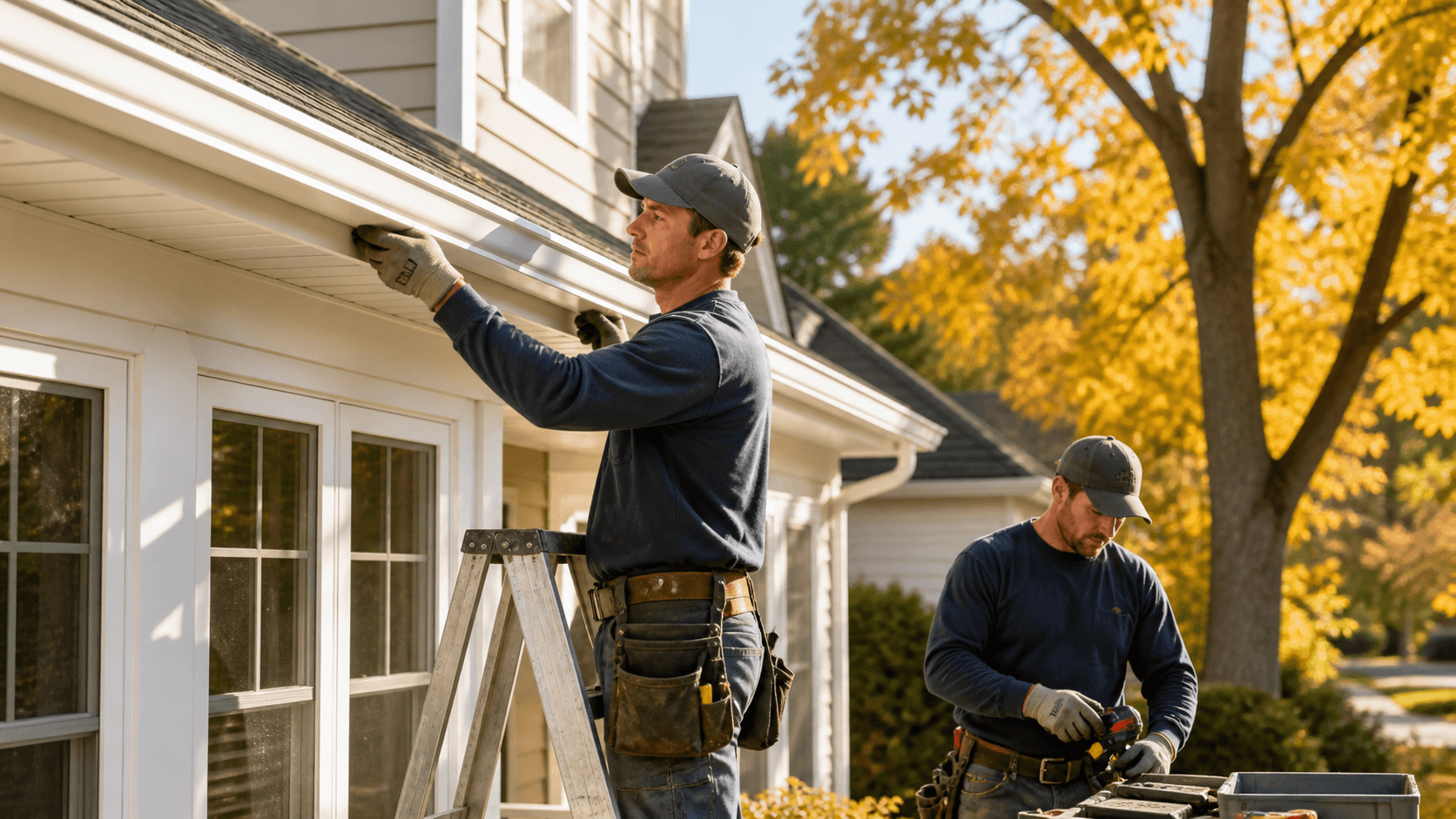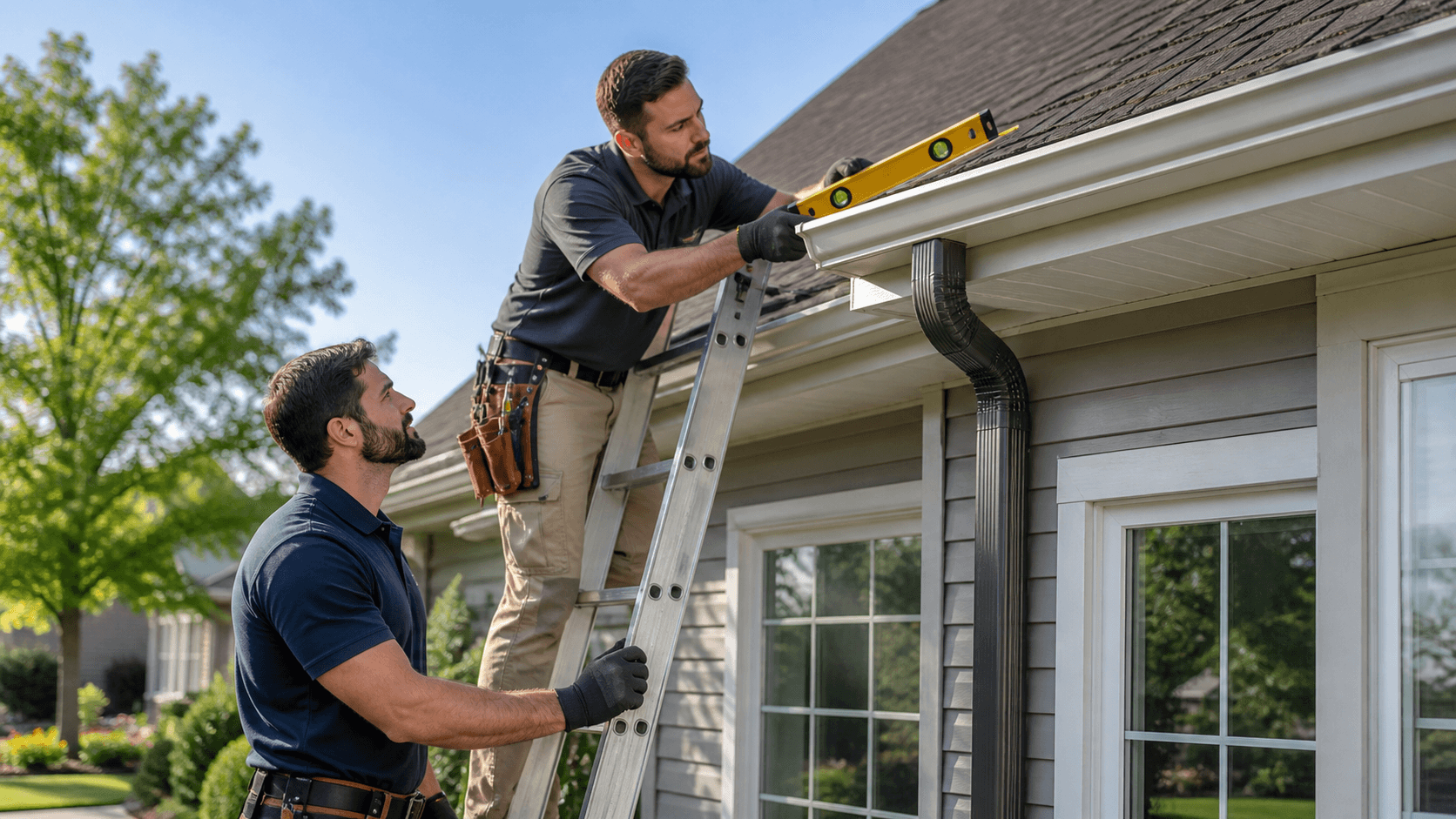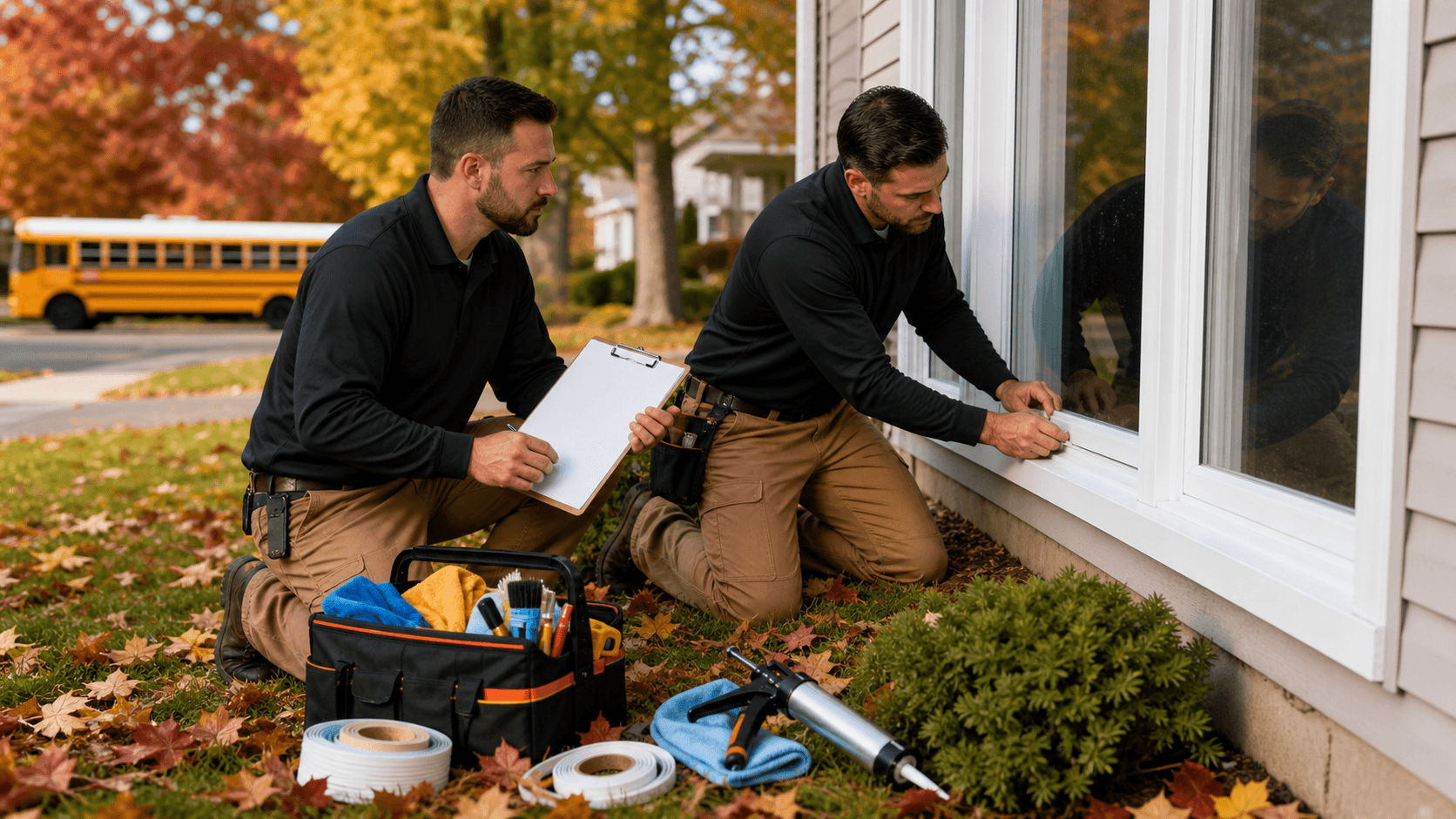
When school starts back up, routines shift and the house tends to get a little quieter during the day. That makes it one of the better times in the year to take care of home maintenance tasks that are easier to schedule without a full house. One project that often gets put off during the rush of summer is window work. Slipping it into your back-to-school checklist is a smart way to get ahead of the season.
If you've been thinking about window replacement in Joplin, this is a good window of time to get it done before the weather shifts. Working on windows now means fewer temperature changes indoors, better energy use, and a comfortable home all the way through fall into winter.
Check for Summer Damage and Drafts
After a long, hot summer, we like to take a close look at the condition of window frames and sealing. Heat can do more than just drive up the AC bill. It can loosen old materials, dry out caulking, and leave behind signs that the windows aren't working like they used to.
- Soft wood, cracking paint, or warped frames often point toward weather fatigue
- Glass panes that show condensation between layers can mean the seal has failed
- Drafts near the corners, even small ones, usually hint at gaps that have widened over time
We've also seen summer storms leave their mark without obvious signs. A heavy storm might not break a window outright, but it can weaken parts of it. Small chips, fine cracks, or slight shifts in how easily the window opens and closes could all be holdovers from earlier weather that didn't get noticed right away.
Walking through the house and checking for uneven temperatures or tiny signs of moisture is often the first step before colder air starts to sneak in later.
Think Ahead to Colder Weather
Mild weather in late summer makes now an easier time to prep for colder days. Scheduling any kind of window work before it gets chilly means you're not dealing with open frames in thirty-degree weather. Once the cold sets in, problems with insulation or drafts only get worse, and fixing them usually can't wait much longer.
Old or loose windows tend to leak warm air. When that happens, the heater has to work harder, and the indoor temperature still feels uneven. Replacing worn-out windows now helps us stay ahead of those rising heating costs and avoid the usual scramble during the first real cold snap of the year.
Even simple upgrades can make a big difference once temperatures start to drop. It's a small change that helps hold warmth in and keeps the rhythm of the house steady when winter kicks in.
Look at Window Safety Before the School Year Starts
When we think about home updates in late summer, we're not just thinking about comfort. Safety matters too, especially as the school year begins. For families whose kids spend time home alone after class, knowing the windows are working right brings real peace of mind.
Here's what we look for as signs a window may need attention:
- Locks that feel loose or difficult to latch
- Glass panes that rattle or feel unsteady when touched
- Frames that stick when opening or close too easily without control
A window that locks well and opens properly not only protects the home but also gives kids and adults confidence that the house is in good shape when someone's home alone. And with evenings getting darker earlier, good visibility matters. Windows that are cracked, clouded, or damaged make it harder to see who's coming and going or what's happening outside after dinner.
Safety checks take just a little time and go a long way toward creating a calmer home as everyone gets back into their fall routine.
Pay Attention to Noise and Comfort
Summer tends to be loud, with kids playing outside, lawn equipment going, and traffic picking up again. If your home sits near a school, park, or busy road, noise becomes part of the everyday mix. But the type of window in place plays a big role in how much of that sound gets through.
Older windows with single panes or worn-out seals don't block much. Newer styles are made to be more sound-resistant, and replacing drafty ones now creates a space that's not only quieter but also more balanced in temperature.
- Tighter sealing reduces subtle cold spots around the home
- Better glass options help lower outside noise
- Rooms become more steady for things like reading or homework
The beginning of the school year often brings a new rhythm to the house. Whether you're trying to focus at a computer or help someone with schoolwork across the table, having a quiet, comfortable space can make a big difference. One of the easiest steps toward creating that calm is making sure the windows don't work against you.
Pick the Right Timing for the Work
Late summer is usually a sweet spot for scheduling home updates. By early August, the summer rush has calmed down for many contractors, and a little planning tends to go a long way. The weather's still cooperative, and with kids in class, the house is easier to access without too much disruption.
Window work often moves faster than people expect, especially when it's planned during school hours. Some of the mess or movement that might have been noticeable in summer now happens while the house is mostly empty during the day.
- August usually has more open schedules than September or October
- Work during school hours can keep daily life on track
- Planning now sets the pace, before temperatures drop or schedules fill up
When families wait until cold weather hits for home projects, they're often backed into a tighter timeline. Choosing to schedule window work early helps keep control in your hands instead of having to rush later.
A Smarter Start to the Season
Getting started on a back-to-school routine can feel like a lot, but it's also a really useful time to catch up on home repairs that slipped by earlier in the year. After a long, hot summer, taking a fresh look at the windows is one way to make sure your home is ready for whatever the next season brings.
If you're already thinking about updating or repairing older features, acting now on window replacement in Joplin can help you avoid cold drafts, higher heating bills, and late-season scheduling stress. It's one of those small steps that turns into a big improvement by the time winter rolls around. With a little planning, your home can feel quieter, safer, and more comfortable just as everyone settles into the months ahead.
At Bean Exterior Solutions, we understand the start of the school year brings new routines, making late summer an ideal time to address projects like updating old windows. Whether your priority is comfort, safety, or reducing outdoor noise, a timely upgrade eases everyday life. We're here to help with window replacement in Joplin that works with your schedule and keeps your home comfortable all season. Let's discuss your home's needs and see how we can assist before the weather changes. Reach out today to get started.