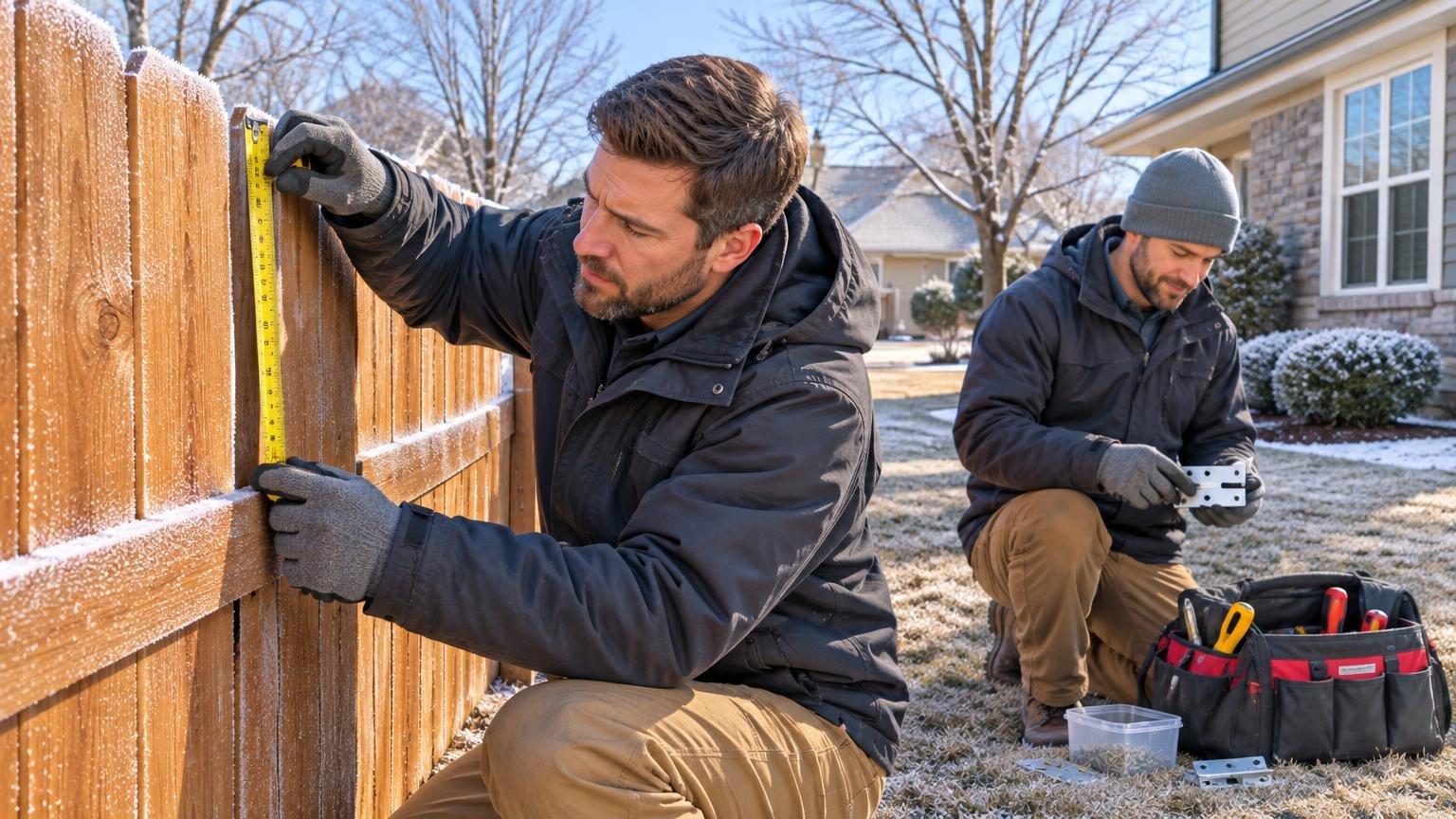
Cold weather in Missouri does more than chill the air and dry up your garden. It can quietly pull apart parts of your home you might not think about, like a wooden fence. As soon as the freezing nights start rolling in, we begin to hear from people noticing small gaps or crooked boards that weren't there a few weeks ago.
If you've spotted a few of those changes already, you're not the only one. A lot of fences start to shift or separate once the temperatures dip. As a fencing contractor in Joplin, we've seen how quickly wood can react to seasonal changes. What may start as just a minor crack or a loose board in November can turn into a bigger problem when deeper winter sets in.
What Cold Weather Does to Wood Fencing
Wood is naturally flexible, but that's part of the problem when temperatures swing up and down. Fence boards and posts expand when it's warm and damp, then shrink when it's cold and dry. That kind of back-and-forth movement can slowly break down a fence over time.
- During early winter, the mix of warm sun during the day and freezing temperatures at night speeds up this expansion and contraction.
- Fence boards often dry out too quickly after a freeze, which causes them to pull away from each other or from their fasteners.
- The result is visible gaps between boards or misaligned rails that weren't there in milder months.
Add in the stiffness that comes with frozen ground, and suddenly a small seasonal shift can make an entire section of your fence look uneven or worse, unstable.
How Missouri Weather Makes It Worse
Living in or around Joplin means dealing with a lot of weather changes in a short amount of time. We might see heavy rain followed by a freeze two days later. That pattern wears on wood quickly, because water seeps into small cracks, then turns to ice and forces them open wider.
- Wet fall weather soaks into wood, especially in fences that haven't been recently treated or sealed.
- When that trapped moisture freezes, it expands, sometimes splitting boards or working loose the nails or screws holding them in place.
- The bigger the gap between those warmer and colder days, the more stress your fence faces.
Fences made with untreated or older wood often show the wear first, but even newer fences can feel the pressure. If the ground shifts or softens from ice melt one week and then freezes hard the next, posts become less stable too. That's when leaning or twisting shows up more often.
Signs Your Fence Might Be Affected
Most winter fence problems start small and build over time. If you can catch them early, they're easier to deal with. Some signs are more obvious, while others quietly develop between snowstorms or after heavy frost.
- Look for new gaps between boards that weren't there before, especially near the top or base of the fence.
- Posts that seem crooked or wobbly may be shifting because of soft soil or frost movement underground.
- Nails or screws that pop out, or boards that wiggle when pushed, are signs that the wood has dried and pulled away from its connection points.
- If part of your fence leans more now than it did in early fall, that could mean it's no longer properly anchored.
Waiting too long to check on these issues can lead to full section replacements when spring rolls around. The cold doesn't pause the damage, even if you can't see all of it right away. That's why we always pay attention to these small flags before snow makes them harder to reach.
What a Fencing Contractor Can Do to Help
Most people don't want to deal with fence repairs in winter, and we get that. But the truth is, fences don't wait for good weather to break down. The colder it gets, the more pressure your wood fence handles. Calling a fencing contractor in Joplin before deep winter hits can be a smart step to limit bigger problems later.
When we visit a fence in this kind of weather, here's what we typically focus on:
- Checking for loose panels or unstable posts that might need re-anchoring before the ground hardens more.
- Tightening or replacing fasteners that pulled loose from shrinking wood.
- Adding support beams or adjusting braces to keep leaning sections straight through the toughest months ahead.
- Recommending weather-resistant upgrades if part of the fence is beyond a quick fix.
Sometimes small adjustments are enough to get you through the season. And if we catch a section that's likely to fail mid-winter, we help figure out the best short-term update so it doesn't become a bigger issue when spring storms arrive.
Winter Fence Problems Don't Have to Last
It's true that cold Missouri months can bring more gaps and wear to wooden fences. But that doesn't mean the damage has to get worse. By spotting early signs now and making simple adjustments or targeted repairs, your fence can stay strong well into spring.
Shrinkage, split boards, and shifting posts aren't always fixable with one visit, but knowing what to watch for makes a difference. Staying alert through the colder weeks and checking weaker areas after big freezes helps keep your fence reliable, even when the temperature drops fast. A little care now helps you hold on to the shape and strength of your fence long after winter passes.
Cold weather can quickly turn minor fence issues into costly repairs, especially with the freezing conditions we see in Joplin. As your trusted experts at Bean Exterior Solutions, we know firsthand how important it is to stay ahead of the season. Let a quick inspection from a reliable fencing contractor in Joplin help protect your investment. Call us today to schedule your inspection or repair and keep your fence in top shape all winter long.