In Joplin, fall brings more than just color-changing trees and cooler air. It also shows us the hidden issues around the home, especially when it comes to gutter systems. The rainy weather, constant leaf fall, and drop in temperatures often reveal problems that weren't obvious in the summer.
We get more calls for gutter installation in Joplin during the fall than almost any other season, and it's not hard to see why. Gutters that seemed fine a month or two ago can clog up fast or start pulling loose once wet leaves and steady rainfall become routine. When these problems suddenly show up, they can lead to real damage if not addressed quickly. Here's a closer look at some of the most common gutter issues we see in fall and how they tend to escalate when the weather turns colder.
Clogged Gutters from Leaves and Debris
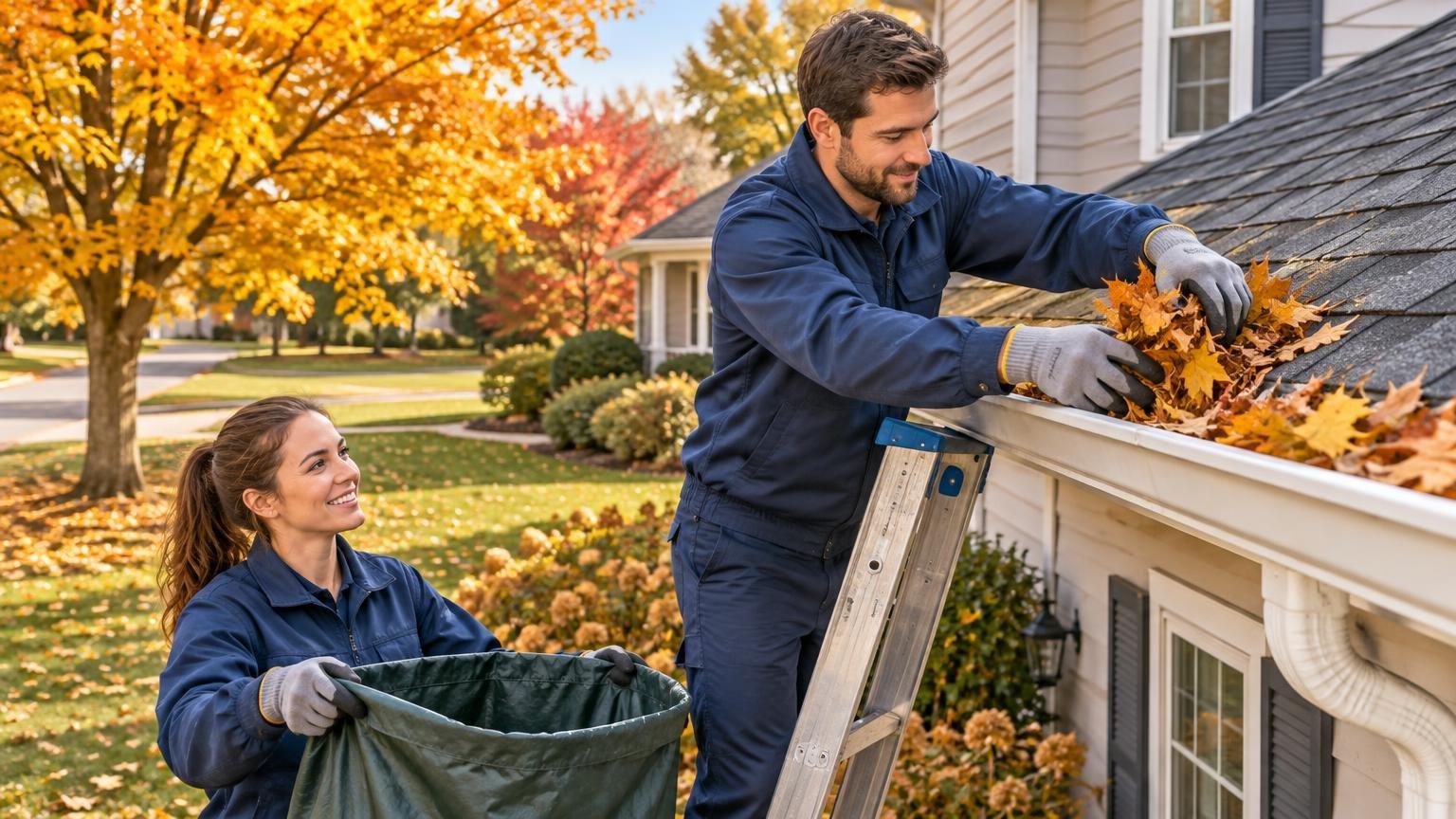
Once trees start dropping their leaves, gutters quickly become a collection zone for leaves, sticks, seeds, and other bits of debris. What looked like a small pile can turn into a full blockage after one solid rainstorm.
- Clogs stop water from draining through the system, causing it to back up and overflow
- Overflowing water runs over the edges and can soak into fascia boards, walls, or your home's foundation
- Wet debris clinging to the inside of gutters adds weight and speeds up wear
This kind of clog rarely fixes itself. It usually builds up layer by layer until water has nowhere to go. Once soggy leaves start sitting in your gutters for days, it's a sign that the system needs professional attention.
Sagging or Pulling Gutters After Heavy Rain
Fall storms bring soaking rain that can stay in the gutters if they're already clogged or uneven. The added weight from waterlogged debris or trapped water plays a big role in weakening the system.
- Heavy buildup causes gutters to sag in the middle or pull away from the roofline
- Loose brackets and hardware may no longer hold the gutter securely in place
- Sagging sections interfere with proper drainage and can create spots where water pools
When water sits in one area too long or spills in the wrong direction, it can damage siding, erode landscaping, or create ice patches when temperatures drop in late fall. These problems often start small and grow worse quickly when ignored.
Water Damage Around the Roofline and Siding
Gutters are meant to carry rainwater away from your house. When they can't do that, water ends up where it doesn't belong. This is when real damage begins.
- Overflowing gutters can soak the edges of your roof, getting under shingles or behind siding
- Repeated water exposure leads to rot in wood trim or mold forming in unwanted places
- Many homeowners first notice signs like soft boards, bubbling paint, or damp spots inside the home
Once moisture settles in, it doesn't go away easily. By the time the symptoms show up, damage may already be spreading out of sight. Fall is the time to catch these problems before freezing temps lock in moisture for months at a time.
Insect and Pest Attraction
Gutters filled with damp organic material are the type of space that bugs and animals love to claim. It's not just about clogs, either. It's about what those clogs invite in.
- Stagnant water in clogged gutters creates an easy breeding spot for mosquitoes
- Wet debris offers food and shelter for insects like ants, termites, or beetles
- Small animals such as squirrels, chipmunks, or birds may look for a nesting spot in protected areas
In colder weeks, we often see pest activity start to increase as animals search out warmth and safety. Blocked gutters can quickly turn into a welcome mat for unwanted guests, especially when left untouched throughout the fall.
Recognizing When Repairs Aren't Enough
Sometimes, even after one or two service visits, issues keep coming back. That's usually when it's time to stop patching and consider a full upgrade.
- Older systems may have rust spots, cracks, or joints that keep leaking after every storm
- Connectors that are bent or dislodged often cause spillage no matter how clean the gutters are
- If water regularly escapes where it shouldn't, structural replacement may be needed
We've heard from many homeowners who put off replacing gutters until winter, only to regret it once ice and heavier storms hit. Scheduling gutter installation in Joplin before winter sets in can save you from bigger issues caused by failed drainage, like basement leaks or deep water damage.
Why Fall Gutter Issues Shouldn't Wait
By the time you notice leaves piling up in your gutters or rain pouring over the sides, there's usually already a problem. Fall weather has a way of fast-tracking small issues into something larger.
- Clogs, sagging, and pooling water can turn into wood rot, stains, and mold
- Overflow during storms may damage your roofline, cause landscaping erosion, or create icy spots near walkways
- Ignoring the signs now often leads to larger damage by mid-winter
The good news is that fall still offers a window of time to act. When temperatures are cool but not freezing, outdoor work can be done more comfortably and safely. Taking care of gutter repairs or replacements now helps protect your home through winter and beyond. Getting ahead of the weather always makes the season a little easier.
Gutters that clog or start pulling away from the roofline can lead to serious water damage as colder months approach. At Bean Exterior Solutions, we help homeowners recognize and resolve these issues to keep roofs, walls, and foundations protected. Addressing drainage now helps you avoid costly repairs this winter. Noticing overflow or leaks? It may be time for new gutter installation in Joplin. Contact us today to schedule your fall gutter check.