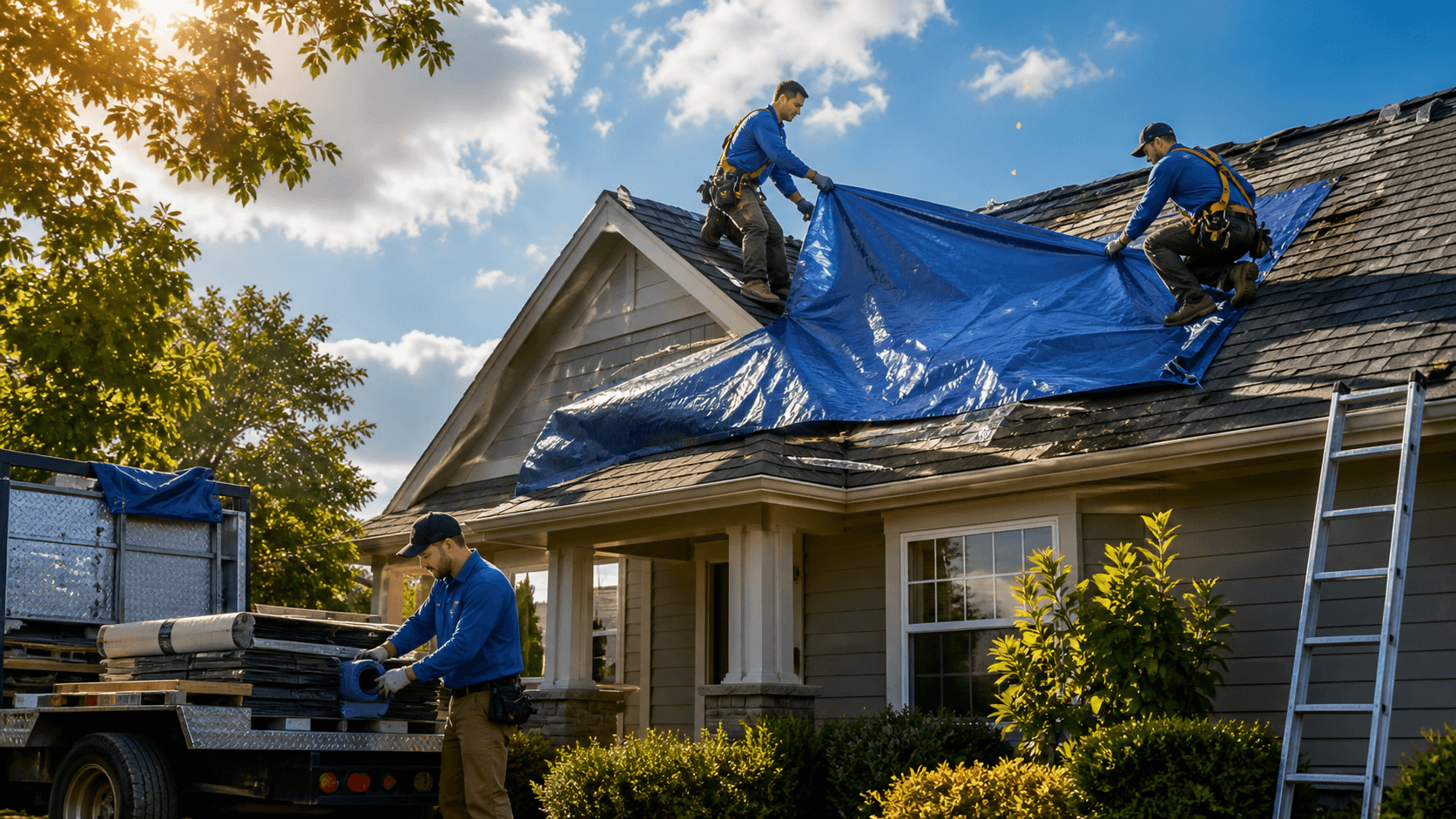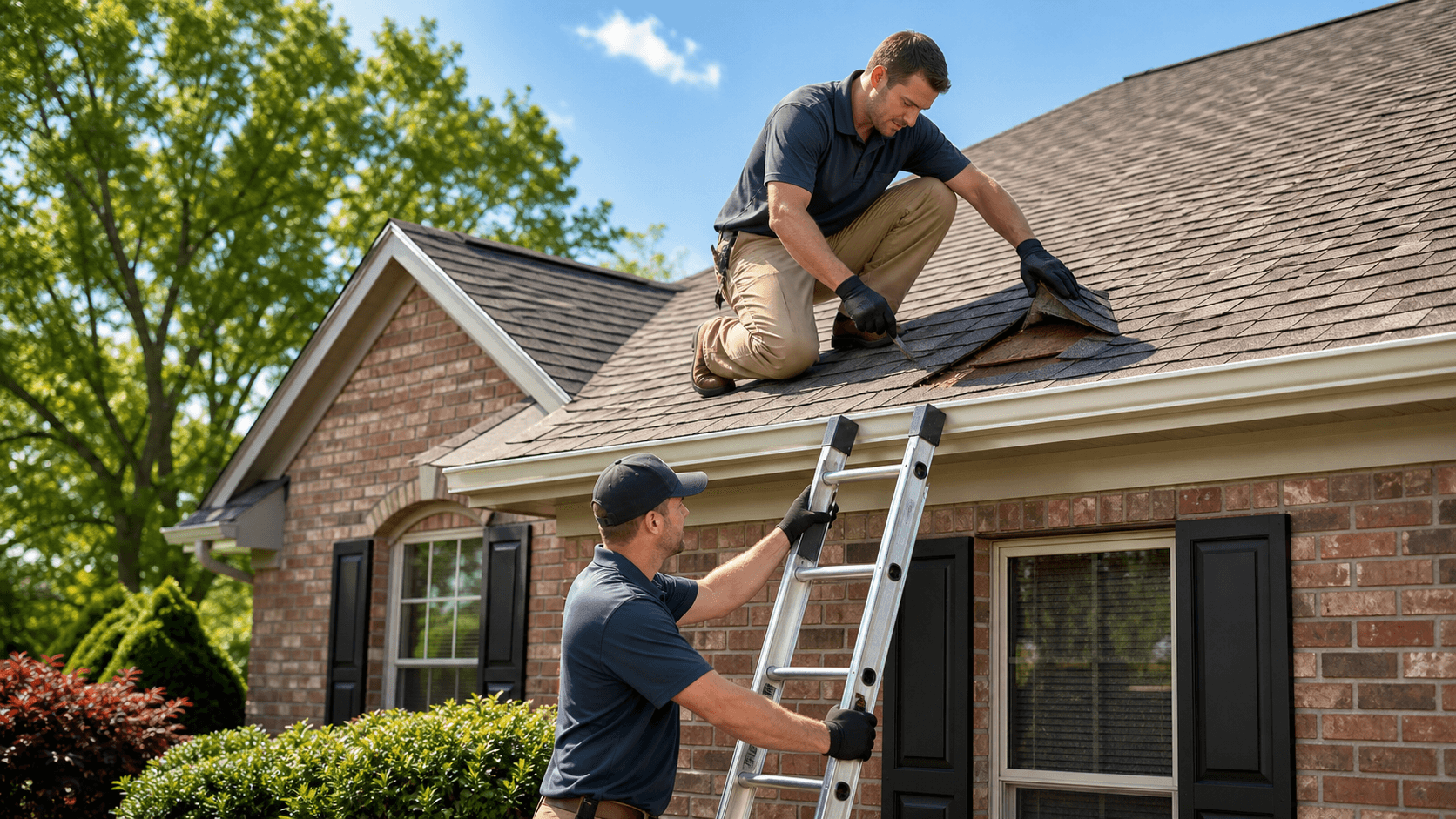
When a summer storm rolls through Joplin, it's easy to brush off a small drip or dark stain on the ceiling. But even a minor roof leak can turn into a major problem if it's left alone. That warm, humid air in late August doesn't just make days sticky, it speeds up the damage. Water sneaks in through the tiniest gaps and starts working away under the surface.
The longer you wait, the worse it gets. What looked like a quick patch job could turn into a full-on emergency. And if you do end up needing emergency roof repair in Joplin, it's usually because hidden damage has already snowballed. Tackling things early makes a big difference, especially when the next storm isn't far away.
How Small Leaks Get Worse Over Time
At first, a roof leak might not seem like much. Maybe you notice a strange smell or a brown ring forming on the ceiling. But behind the scenes, water is already moving into places it shouldn't.
- Insulation in the attic starts soaking up moisture, slowly losing its ability to keep your home cool.
- Drywall near the leak may become soft and crumbly while paint can bubble or peel.
- Wood framing can begin to expand or twist as it absorbs water, which weakens the structure over time.
In Joplin's summertime heat, this process happens faster. Extra humidity traps moisture in the walls, making it harder for materials to dry out between storms. By the time you notice visible signs, damage has often spread well beyond the original leak.
Structural Risks from Prolonged Leaks
The more water that gets in, the more pressure it puts on your home. Roof decking, which sits beneath your shingles, is one of the first things to go. Instead of staying strong and solid, it can soften or sag.
- Nails and fasteners loosen when wood around them swells or rots.
- Joints and seams across the roofline can start to shift or pull apart.
- Over time, weak spots form in the roof structure itself, making it more likely to fail during another round of wind or rain.
Inside the house, stained ceilings or warped materials aren't just cosmetic problems. They're signs that water has been inside long enough to change the shape and strength of the home underneath. What used to be safe and solid may now be worn and unstable.
How Leaks Affect Indoor Comfort and Air Quality
Leaks don't just mess with your roof and attic. They make it harder to live comfortably inside your home too. Damp air tends to stick around after a rain, and that can create a whole new set of headaches.
- Rooms feel muggy or stale, especially during late summer in Joplin.
- Mold and mildew may grow in hidden pockets of moisture, like behind walls or inside floorboards.
- People with asthma or allergies often feel worse when there's mold in the air.
If your attic insulation has taken on water, AC won't work as well. That can lead to higher cooling bills, hotter rooms, and more strain on your system. It's easy to overlook all this until someone starts coughing or rooms start smelling musty. By then, the leak has already taken hold.
Warning Signs You May Already Have a Leak
Many roof leaks begin quietly. They don't drip straight onto your kitchen table the first day. Instead, they build over time. Knowing what to keep an eye on can help you catch problems earlier.
- Discolored patches or peeling paint near ceiling edges, especially at outside corners.
- Soft spots in the attic floor or dark streaks running along roof rafters.
- A faint dripping sound after a rain or damp areas near ceiling vents.
After a heavy Joplin storm, take a slow walk around your home and attic. Even if you don't see a clear hole in the roof, wet insulation or streaks along the framing can signal that water is slipping past your shingles.
Why Quick Help Matters After a Leak
The moment you spot signs of a leak, timing becomes everything. Waiting too long can turn a minor fix into a much bigger mess. Fast action protects more than just your roof. It can stop damage from spreading to walls, wiring, and even flooring.
- Getting emergency roof repair in Joplin right after a storm can stop water from coming back in the same spot.
- A trained crew isn't just looking for surface issues. They'll check under shingles, in vents, and other hard-to-reach places most homeowners miss.
- Early repairs help prevent the kind of mold problems that require major cleanup later on.
Even if it's just one area that looks off, leaks tend to spread further than expected. What looks like a patch job may uncover bigger issues beneath the surface. By calling someone in quickly, you help protect your whole home before things build up.
Protecting Your Home Starts at the Top
Roof leaks are easy to ignore at first and hard to live with once they've done damage. Every time rainwater makes its way inside, your home loses a little bit of its strength. Waiting for that drip to get worse isn't worth the risk.
When storms roll through late summer in Joplin, roof damage often follows soon after. The heat lingers, the storms hit hard, and little problems can turn into emergencies fast. Paying attention at the first sign of trouble and acting quickly sets the stage for a safer, more comfortable home year-round.
At Bean Exterior Solutions, we understand how quickly a simple roof concern can escalate into a major issue, especially during Joplin's intense summer storms. Noticing water stains or feeling unsure after a recent rain? Taking action now is the best way to avoid bigger problems down the road. Our team is trained to identify the early warning signs others might overlook, offering prompt and thorough inspections and repairs. Let us provide the quick, professional help you need by scheduling your emergency roof repair in Joplin today and keep your home protected.