Strong windstorms can roll through Northern Virginia in a matter of minutes, and when they do, rooftops often take the hardest hit. It's not always easy to tell how serious the damage is right away, but missing shingles or broken vents can leave the home exposed to water and debris. That's why having access to an emergency roofing service matters when sudden weather hits.
We've seen how quickly a fast-moving storm can strip away crucial pieces of a roof. Immediate action can help block further damage and give homeowners time to plan for long-term repairs. An experienced crew doesn't just work fast, they know where to look and what matters most after serious wind.
What Windstorms Can Do to Your Roof
Not all damage is easy to spot from the ground. Some problems show up right away, while others grow slowly when left untreated. Windstorms have a way of targeting the weakest points of a roof, especially if materials were already aging or loose to begin with.
- Shingles may blow off completely, leaving open patches where rain slips in. Others might shift or crack when hit by flying limbs or heavy gusts.
- Flashing can peel back from valleys or chimneys, exposing key seams to water.
- Gutters, ridge caps, and roof vents often take a beating, especially on older or high-pitched roofs, and they can break loose or blow away entirely.
We always recommend checking the across-the-top elements after strong winds. Even minor shifting can make a roof more vulnerable the next time it rains. If you see debris in your yard or notice shingles scattered here and there, it is possible more damage has occurred than initially meets the eye. Sometimes the full picture won't be obvious until another rain highlights the trouble spots.
Why Quick Roof Help Makes a Big Difference
The first few hours after a windstorm are a critical stretch for any home with roof damage. If parts of the surface are left open, even slightly, water, bugs, or debris can get inside fast. And in places with humid summers like Northern Virginia, that moisture doesn't take long to cause trouble.
- Waiting too long can lead to sagged ceilings, stained drywall, or soggy insulation that's expensive to replace.
- Damp materials can grow mold or start to rot, especially wood framing underneath.
- Emergency roofing service helps protect the inside of the house until a full repair can take place.
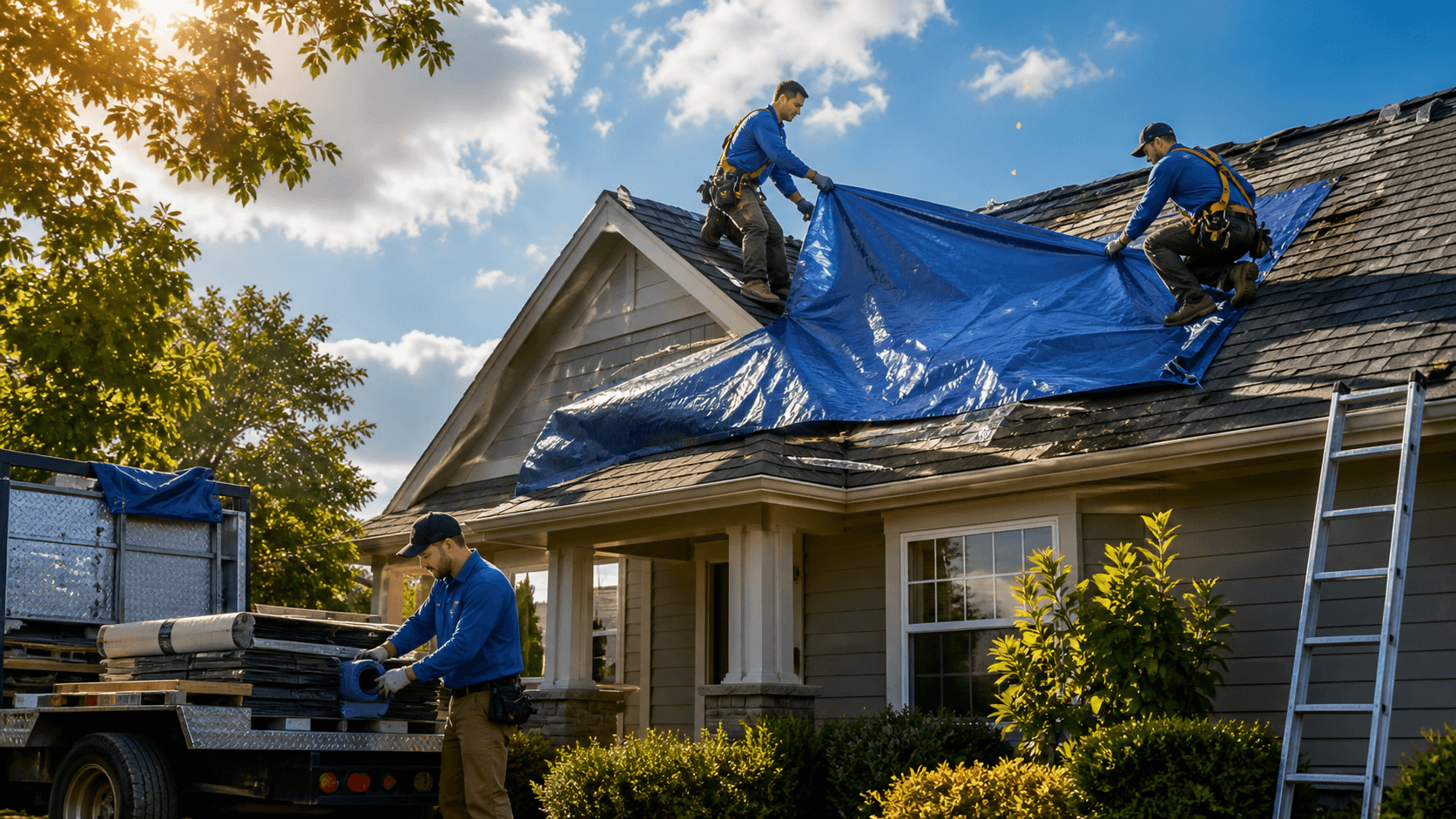
Even if the damage seems small, getting someone up there quickly helps prevent bigger messes. A tarp or temporary patch doesn't sound like much, but it makes a big difference during storm season. It can stop water from seeping in and buying you more time before more advanced repairs are made. Taking action quickly helps limit the trouble and helps your home last longer.
What Happens During an Emergency Roofing Visit
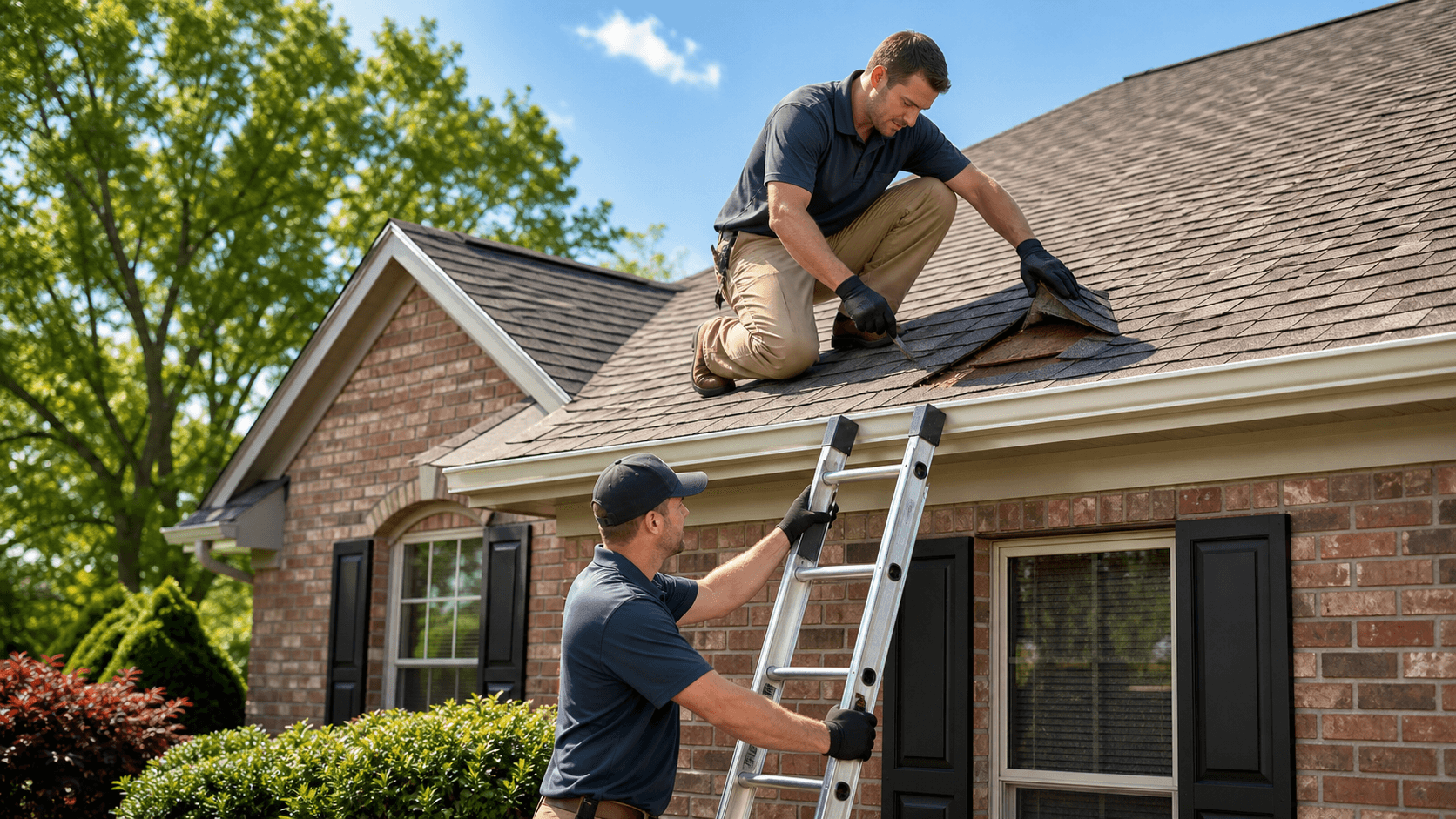
Our first job in an emergency visit is to safely check the roof, looking for signs that may not be obvious from the ground. Shingles can lift along the edges, seals might come apart at vent connections, or flashing can hide cracks until someone takes a closer look.
- We scan the roof for damage that isn't easy to see, like soft spots, lifted nails, or hidden gaps at seams.
- If we find places where water is getting in or could soon, we secure tarps or other coverings to keep things dry.
- After that, we walk homeowners through the damage and explain what steps come next to make lasting repairs.
We know it's not just about fixing the outside. It's about helping people feel safe in their homes again after a storm has hit. When we inspect, we also watch for anything unsafe around ladders or broken materials so that no one else gets hurt. Keeping the job site safe means looking out for you and your family, as well as your home. The emergency steps are fast and practical, but our goal is to get things secure and then support you as you sort repairs later.
How Wind Damage Looks Different in Northern Virginia
Every area has its own storm behavior, and in Northern Virginia, the combination of big trees and quick weather shifts changes the way a roof reacts. It's not unusual for summer storms here to drop limbs as fast as the wind picks up.
- Big trees around a property can send branches flying down on shingles, vents, and gutters.
- Swinging temperatures and high humidity make it easier for soaked spots to stay damp, which speeds up mold or decay.
- Some local homes have steeper roofs or older materials that respond differently when strong winds hit.
It's not always the newest or flattest roofs that hold up best. The way materials were installed and how they've been maintained affect how they come through a storm. That's why we look at more than just missing parts, we keep an eye on how each roof has handled age, weather, and wear. After a major windstorm, it's helpful to remember that not every roof responds the same way. Homes built decades ago might have weathered different storms, and sometimes a recent patch or last season's repair will hold strong or give way depending on the storm's direction. We also know that lines of trees and neighbors' houses can affect how the wind moves down your street, making one home get hit harder than another just a few doors down.
When to Call for Emergency Help
We get it, no one wants to call for help unless they're sure it's needed. But from what we've seen, it's often better to check early than wait for a bigger problem to appear. A quick inspection after a storm can stop a slow leak from turning into a full ceiling collapse.
- If you see shingles lying in the yard or visible patches on the roof, that's a clear sign to call.
- Watermarks inside the attic, soft sagging ceilings, or vents that seem out of place point to trouble.
- If the wind was stronger than what you've seen before or seemed to "lift" parts of your roof as it passed, a professional check matters.
Even when everything looks okay from outside, storms can weaken layers underneath. When in doubt, don't climb up, let trained eyes handle it. We've seen too many small leaks turn serious just because they went unnoticed for a week or two. If you are unsure, the safest choice is to have someone who is trained do a walk-around and check for warning signs you might not spot right away.
Fast Action Builds a Safer Home
Storm damage isn't always about big holes or massive tears. Sometimes, it's a lifted edge or weakened seal that needs attention. Acting fast doesn't just patch a surface, it helps protect everything below it.
- Getting someone out quickly stops wind and water from doing more harm inside the home.
- A skilled crew can spot things the eye might miss and help you recover faster from a surprise hit.
- Windstorms may show up with little warning, but how the roof holds up afterward doesn't have to be a mystery.
We believe that staying ahead is better than cleaning up later. A little attention upfront keeps the roof strong, protects what's inside, and makes sure your home is ready for whatever comes next.
At Bean Exterior Solutions, we understand how quickly weather can change in places like Joplin and how even minor roof damage can escalate into larger issues. Having a reliable team on your side after a storm makes all the difference when your roof needs attention. Our fast response and thorough inspections help ease the stress of post-storm recovery by securing your home and protecting what matters most. For immediate help, our emergency roofing service is here to get your home covered quickly and guide you through lasting repairs. Reach out to us anytime to get started.